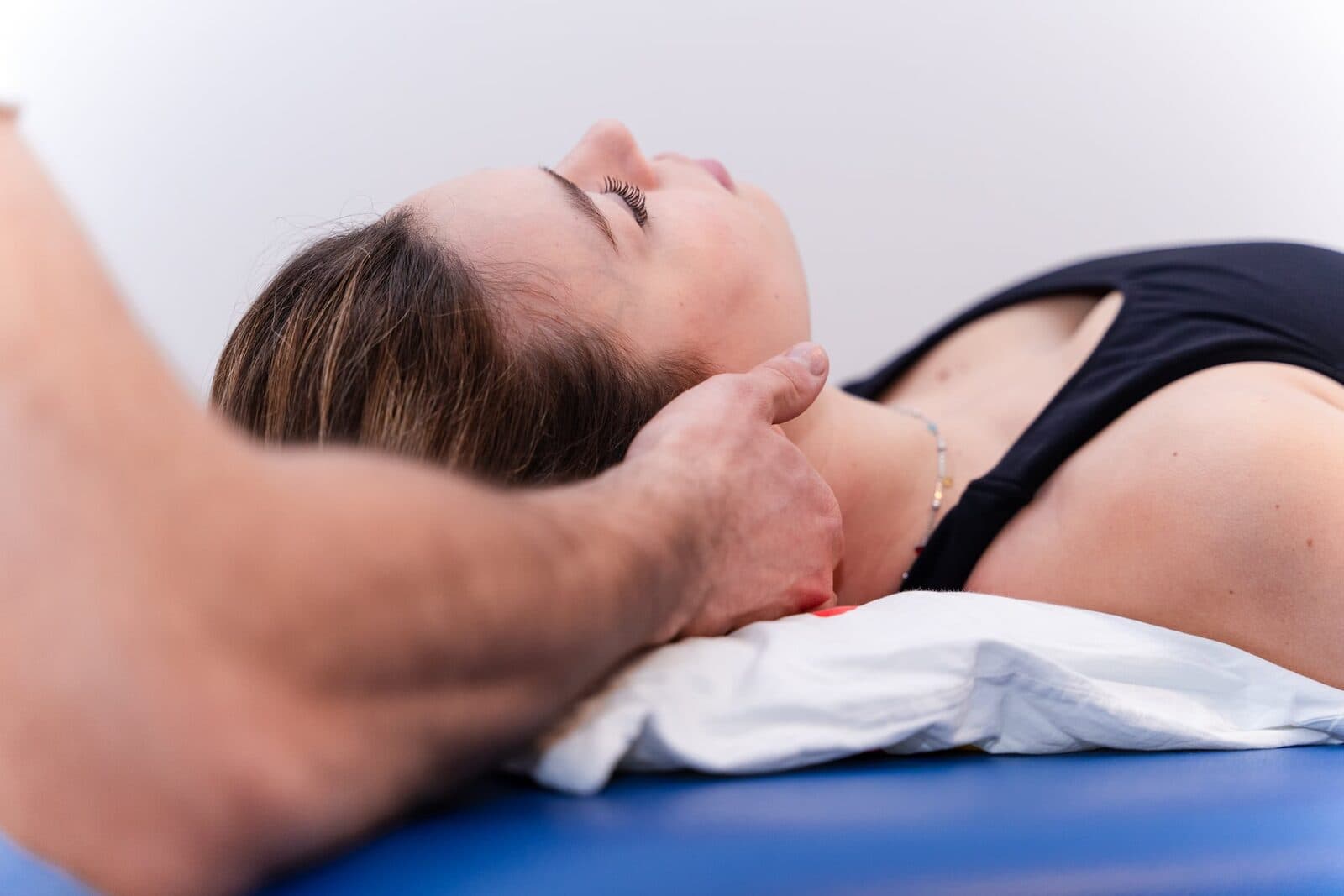
Cupping, also known as cupping therapy, has been part of physiotherapy studies and gyms for some years now, and it leaves those dark circles on the skin that you see on athletes. The question that always comes up is the same: does it really work, or is it a ritual with good marketing?
The answer has three parts, and the third is the one that is usually not told.
What it is, and the two versions
A cup is placed on the skin and a vacuum is created, either by suction or with heat. The skin and the superficial tissues are drawn up into the cup, which stays in place for a few minutes, or it is moved across the skin (dynamic cupping).
There are two versions, and the distinction matters more than it seems:
- dry: a vacuum is created and that is all. It is the version normally done in Italy;
- wet: the skin is lightly cut before the cup is applied, and a small amount of blood is collected.
Part one: in the short term the effect is there
For back pain the reference measure is the meta-analysis of 11 randomised studies and 921 participants, with five studies at low risk of bias.
The result: high-quality evidence that cupping improves pain at the end of a course of 2-8 weeks (d = 1.09; 95% confidence interval 0.35-1.83).
For neck pain, the review of 18 randomised studies finds a reduction in pain compared with doing nothing (mean difference -2.42) and an improvement in function, with an advantage also over active treatments and as an addition to another treatment.
So far, this is the part that those who offer it tell readily.
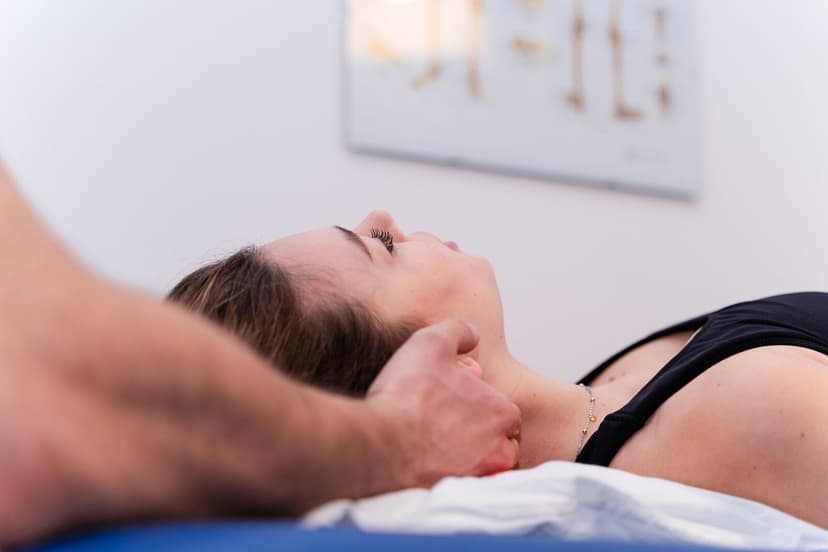
Part two: the effect does not last
In the same meta-analysis on back pain, the improvement does not carry on:
| time of measurement | difference | significant? |
|---|---|---|
| end of course (2-8 weeks) | d = 1.09 | yes |
| at one month | d = 0.11 | no (p = 0.85) |
| at 3-6 months | d = 0.39 | no (p = 0.11) |
And there is a second caveat within the same work: when the two versions are separated, the effect on pain was significant for wet cupping but not for dry cupping (d = 1.06, interval from -0.34 to 2.45, p = 0.14).
That is: the version they do here is the one that did not show a significant effect in the studies.
Part three: the comparison with sham cupping
This is the part that is rarely read, and it changes how everything else is read.
A network meta-analysis of 10 randomised studies did something clever: instead of asking "does cupping work?", it asked "compared with what are we measuring it?", because the result of a study depends very much on what the control group receives.
The most informative comparison is with minimal negative-pressure cupping: the same procedure, the same cups, the same time, the same therapist, but without creating a real vacuum. It is the placebo of this technique.
Difference: -0.01. Practically zero.
There was no difference either compared with air-circulating cupping or with diclofenac. A difference did exist compared with ibuprofen, paracetamol and usual care.
To be read honestly: the measured effect does not seem to depend on the suction. It depends on the rest: the contact, the attention, the time given, the expectation. That is not nothing, but it is a different thing from what is being sold.
The circles on the skin are not toxins
It is worth saying this, because it is the most widespread explanation.
The suction breaks the superficial capillaries, and blood leaks into the surrounding tissues. What you see is a bruise, that is a circular contusion, which changes colour in the following days like any bruise.
The colour depends on how strong the suction of the cup was and how fragile your capillaries are, not on how "poisoned" you were. There is no mechanism by which a toxin would pass through the skin and stay there underneath, colouring it.
It hurts, and when to avoid it
During treatment you feel a firm pulling sensation; the marks can last for days.
In the studies the adverse effects reported were mostly mild and temporary, but this is a partial figure, because in the neck review only 8 studies out of 18 recorded them. When safety is measured poorly, the correct conclusion is not "it is safe": it is "we do not know it well".
Avoid it on damaged or infected skin and on areas with thrombosis; consider it carefully in people taking anticoagulants or who have coagulation disorders. The assessment rests with the person carrying it out.
The real question: instead of what?
It is the same as for all passive therapies, and the answer does not change.
Cupping can make a few weeks more bearable. What happens during those weeks decides the result months later, and that part is exercise, which in the prevention and management of back pain is the only item with a proven protective effect (preventing back pain).
It is the same argument we make for shockwave therapy, for tecar therapy and for ozone therapy: a passive therapy opens a window, and it becomes a mistake only when it is the only thing that happens.
In summary
In the short term there is an effect, and with good-quality evidence. It does not last beyond the month. In the dry version, the one done here, it did not turn out to be significant. And compared with sham cupping the difference is essentially zero.
The circles on the skin are bruises, not toxins.
If it has been suggested to you and you want to understand whether it makes sense in your case, the physiotherapists at Ri-Hub can assess it by video call: the session costs 29,90 € and the first twenty-minute consultation is free.
Sources
- The effectiveness of cupping therapy on low back pain: A systematic review and meta-analysis of randomized control trials (Complement Ther Med, 2024)
- Interventions used in control group against cupping therapy for chronic nonspecific low back pain: A systematic review and network meta-analysis (Complement Ther Med, 2025)
- Is cupping therapy effective in patients with neck pain? A systematic review and meta-analysis (BMJ Open, 2018)
- Prevention of Low Back Pain: A Systematic Review and Meta-analysis (JAMA Internal Medicine, 2016)
Last source check: September 2026.