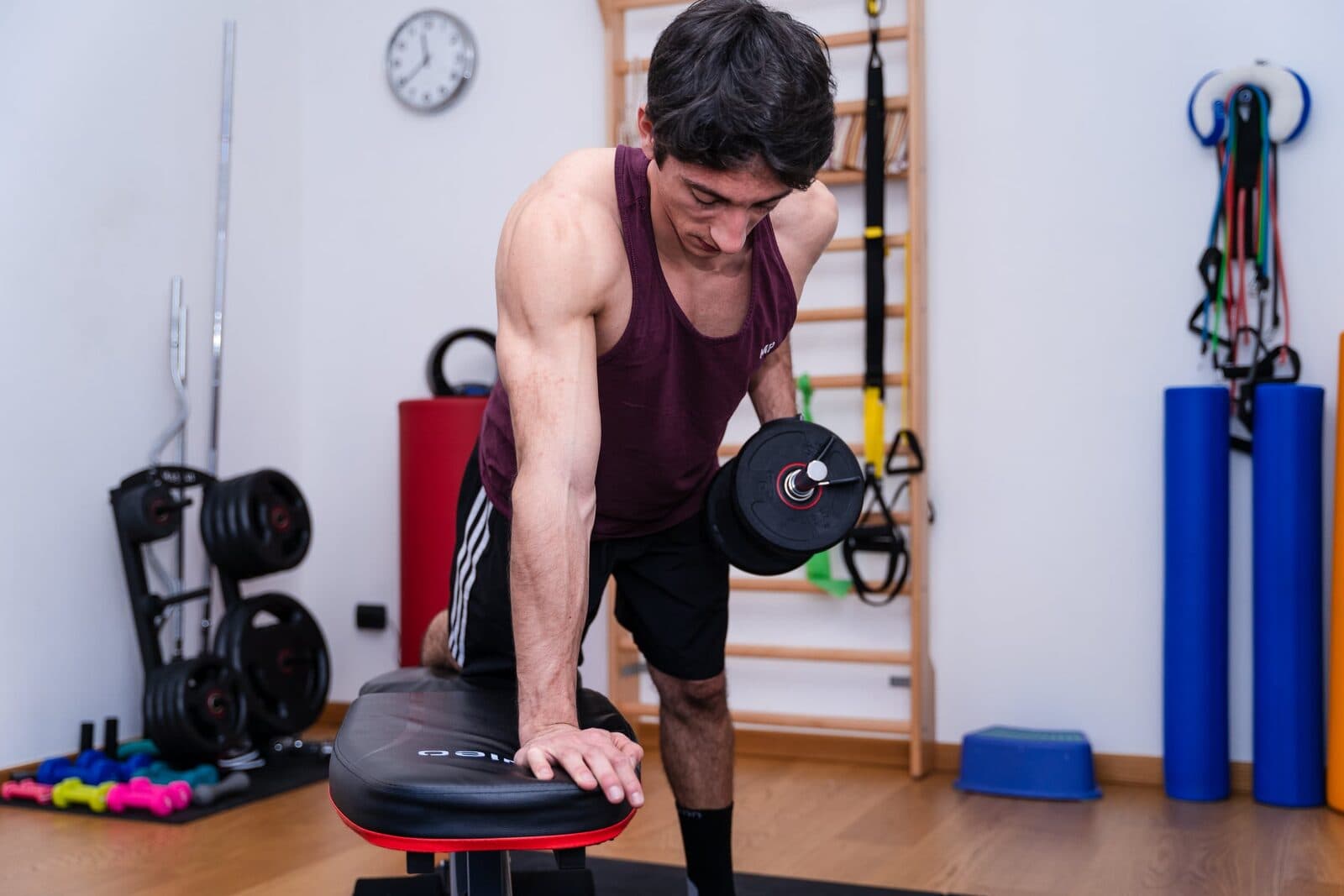

It is one of the questions that a young woman who trains is asked, or asks herself, and on which apps, tables and programmes «by cycle phase» circulate. On this subject there is a large review, and the answer is less spectacular than what is sold.
The data: seventy-eight studies, trivial effect
The systematic review with meta-analysis published in Sports Medicine in 2020 pooled 78 studies on the effects of the menstrual cycle on performance in women with regular cycles. Of these, 51 entered the main meta-analysis and 73 entered a network meta-analysis comparing all the phases with one another.
The main result:
- a trivial effect on both endurance and strength, with performance slightly reduced in the early follicular phase, that is, in the days of menstruation: effect size −0.06 (credible interval from −0.16 to 0.04);
- the largest difference between two phases is between early follicular and late follicular: −0.14, which remains small.
To give a sense of scale: an effect size of 0.06 is the kind of difference you cannot see by eye, and which a single badly slept night covers entirely.
And there is a second finding, which the authors highlight: the quality of the studies is low. Small samples, phases defined in different ways, often without hormonal confirmation. So even that small amount should be taken with caution.
What it means in practice
The average is not the person. That the average effect is trivial does not mean that you feel nothing: it means you cannot predict from the calendar who will feel what. Some have a clear dip in the first days, others none, and some do better.
Planning training by phase, rigidly, is not supported by the data. The authors say so clearly. Apps that promise to «sync your training with your cycle» are selling a precision that the research does not have.
What works is measuring your own response. Two or three months of a diary, covering energy, sleep, pain and how the session went, tell you more than any general table. If a pattern emerges, use it. If it does not, stop looking for it.
On days of pain you lower the intensity, you do not stop. For many people, movement reduces period pain. Stopping altogether for a week every month, twelve times a year, costs more than it saves, and on back pain linked to periods we have written about what helps here.
The thing that really matters for a young female athlete
Not the phase of the cycle: that the cycle is there at all.
The absence of periods in a young athlete is not a sign that training is working. Most of the time it means the energy available is not enough to cover what is being spent, and when that happens, the bill is paid first by the bones and then by everything else. It is a signal to bring to whoever is supervising her, not something to file away as normal.
The other two things that matter, and that no app replaces, are simple: eating enough for how much you train and not climbing too fast with the loads. On the latter we have a dedicated page on the warning signs: the teenager who trains too much.
And the overall picture on how much movement is really needed in those years is here.
In summary
Seventy-eight studies say that the phase of the cycle changes performance in a trivial way, and that the research on which those numbers rest is of low quality. There is no week in which you cannot train, and there is no universal table to follow. There is your own response, which is measured over two months of a diary, and three things that matter far more: eating enough, sleeping, and increasing loads calmly.
Sources
Sources last checked: September 2026.
Need a Consultation?
Start with the questionnaire on Ri-Hub, a few questions about your case, you register, and you see who will follow you: a physiotherapist on the Italian professional register, whom you write to in chat whenever you like. If you prefer to talk it through by voice, the first consultation is free, lasts twenty minutes and commits you to nothing: they arrive having already read what you wrote, and together you decide whether and how to go on.