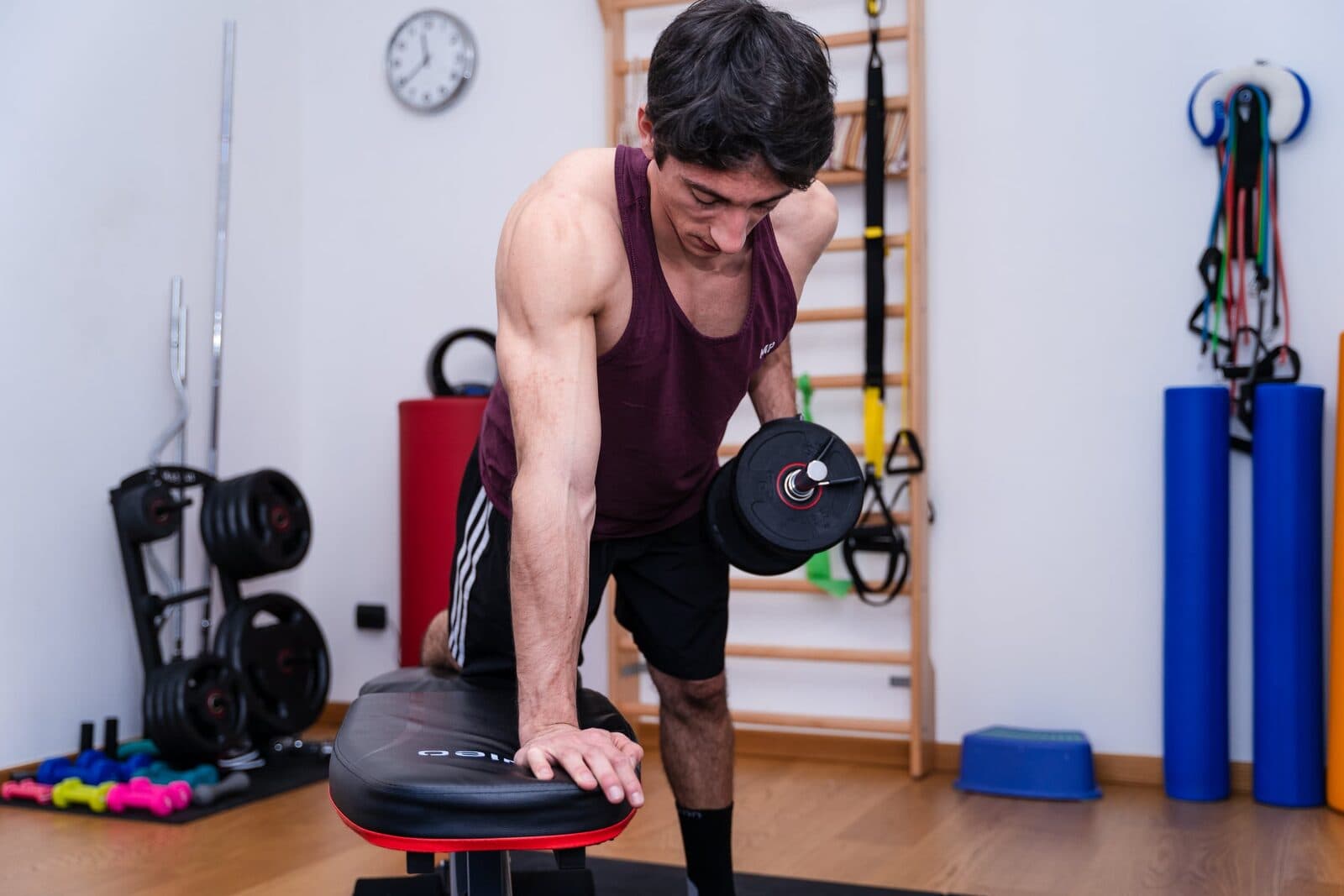

Bone health exercise: physical activity is one of the most effective ways to keep bones strong and prevent osteoporosis. If you want to protect your skeleton over the years, bone health exercise should be part of your routine. Find out which exercises are most effective for bone health.
Bone health exercise takes advantage of the principle by which bone adapts to mechanical stress by becoming stronger. Without adequate stimulus, bones lose density and become fragile.
⚠ Important: read this before continuing
The exercises and advice in this article are general indications and may not suit your situation. Every person has a unique clinical history: what works for others could be counterproductive for you.
Want a professional's opinion? Start from the questionnaire: you register and see who will follow you, a physiotherapist on the Italian professional register chosen for your case, whom you can write to in chat. If you would rather hear their voice, the first consultation is free and we look at your situation together.
Bone Health Exercise: Why Bone Needs Stimulus
Bone health exercise works thanks to mechanobiology.
Bone is living tissue that responds to mechanical stress. When subjected to load, it activates the osteoblasts that deposit new bone tissue. Bone health exercise takes advantage of this mechanism.
Without mechanical stimulus, as in prolonged bed rest or a sedentary life, bone loses density. Bone health exercise prevents this loss.
Weight-Bearing Exercises
Weight-bearing exercises are the most effective among the bone health exercise options.
Brisk walking, running, skipping rope, climbing stairs. Bone health exercise that involves impact is particularly stimulating for bone.
Swimming and cycling, while excellent for the heart, are less effective as bone health exercise because they do not load the skeleton.
An important point: before trying these exercises, make sure you have received a correct diagnosis. People often think they have one problem, but the real cause of the pain is something else. Performing the wrong exercises can make the situation worse instead of better.
Strength Training
Weight training is fundamental among the bone health exercise options.
Squats, deadlifts and lunges load the bones of the legs and the spine. Bone health exercise with resistance directly stimulates the bone areas involved.
The arms benefit too: rows, presses, curls. Bone health exercise for the arms helps prevent wrist fragility, a common fracture site. Those who have shoulder pain can adapt the exercises.
Intensity and Frequency
How to schedule your bone health exercise.
Bone responds better to intense, brief stimuli than to prolonged, light ones. Bone health exercise should be challenging but safe.
2-3 weight training sessions a week, plus daily impact activity. Bone health exercise requires consistency to be effective.
Age and Adaptations
Bone health exercise varies with age.
When young, build peak bone mass with intense exercise and sport. Bone health exercise in youth creates a reserve for the future.
With age, maintain density with regular and appropriate training. Bone health exercise for older adults can be more moderate but must be consistent.
Osteoporosis
Bone health exercise is fundamental in the case of osteoporosis.
With osteoporosis, avoid high-impact exercises and spinal twisting. Safe bone health exercise includes walking, tai chi and controlled weight training.
A physiotherapist can create a bone health exercise programme suited to your bone density and your fracture risk.
Balance
Balance is part of bone health exercise.
Preventing falls is as important as strengthening bones. Bone health exercise should include balance exercises to reduce the risk of falls.
Standing on one leg, tandem walking, exercises on unstable surfaces. Bone health exercise for balance indirectly protects bones.
Online Physiotherapy
Telerehabilitation can optimise your bone health exercise.
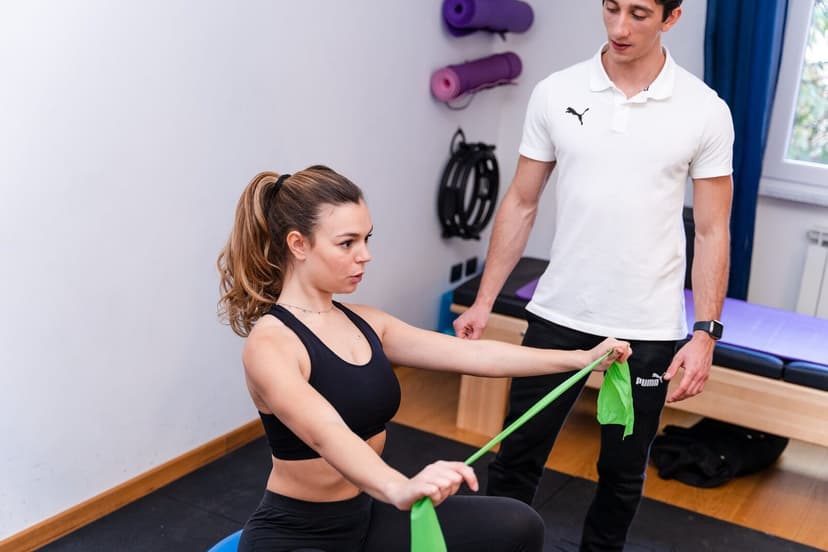
A physiotherapist can assess your risk, personalise the programme and make sure the exercises are safe and effective. For bone health exercise, professional guidance is valuable.
Ri-Hub offers online physiotherapy sessions at 29,90€ to help you with a personalised bone health exercise programme.
Conclusion
Bone health exercise is fundamental for keeping bones strong and preventing osteoporosis. Weight-bearing exercises, strength training and balance work form a complete programme for skeletal health.
Start protecting your bones today. Ri-Hub physiotherapists can guide you through bone health exercise via telerehabilitation.
You might also be interested in:
Lateral Knee Pain: Causes, Exercises and Treatment How Much Does Physiotherapy Cost? A Complete Guide to Prices Neck and Numb Arm: Causes and Remedies
Stay in touch with us Join our dedicated Facebook group: we reply to all patients, give practical advice and clear up the most common doubts.
Need a consultation?
Start from the Ri-Hub questionnaire: a few questions about your case, you register, and you see who will follow you: a physiotherapist on the Italian professional register, whom you can write to in chat whenever you like. If you would rather talk it through by voice, the first consultation is free, lasts twenty minutes and commits you to nothing: they arrive having already read what you wrote, and together you decide whether and how to proceed.