You wake up suddenly with your calf contracting like a rope, your foot turning on its own and a pain that does not even let you think. It lasts a minute, perhaps two. Then it passes, and the next day the calf stays sore.
Night leg cramps are common, increase with age and are surrounded by remedies that get passed down more than they get proven. It is worth separating the two.
What to do while it is happening
The only thing that really works in the moment is to stretch the contracted muscle.
For the calf, lying down: pull the tip of the foot towards you keeping the knee straight, and hold until the muscle lets go. If you can get up, put your weight on the heel of the affected leg, or place the sole on the floor and push the knee forward keeping the heel down.
For the foot or toes: grab the toes and pull them towards the shin.
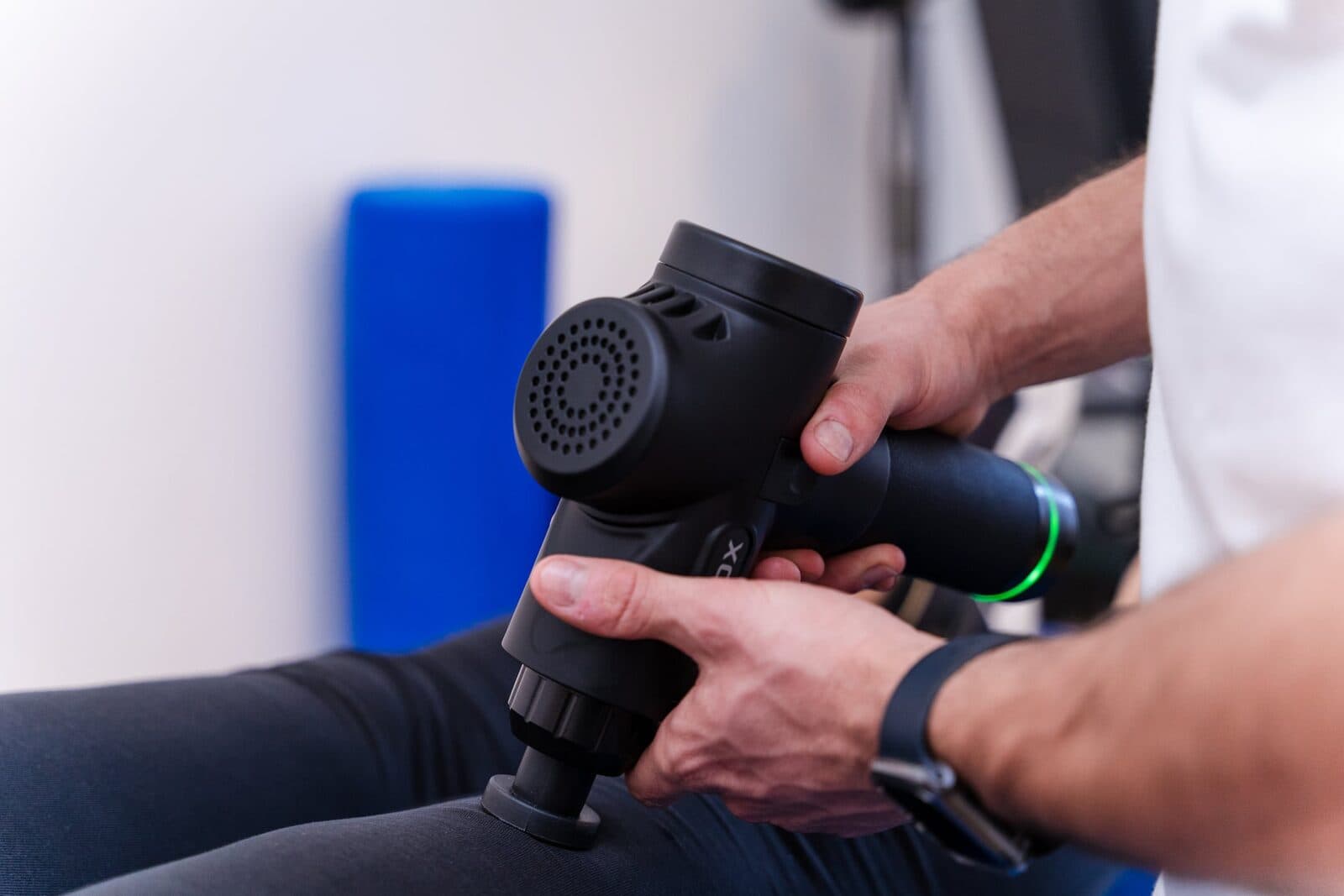
Afterwards, walking a few steps and massaging the area helps reduce the soreness the next day. Heat can bring relief; cold rarely does.
Why they happen
In most cases no precise cause is found: these are idiopathic cramps, which become more frequent the older you get.
Their increase with age is also why, under the age of eight, a child waking up screaming because of their legs is almost always something else: the difference between cramp and growing pains, and the right gesture in the dark, are in night cramps in children: what they really are.
There are however conditions that make them more likely, and it is worth ruling them out:
- dehydration and significant loss of salts, for example after intense sport or in the heat;
- some medicines, including certain diuretics: one of the most overlooked causes;
- pregnancy, in which they are very common especially in the last period;
- circulation disorders, venous or arterial;
- mineral salt imbalances, thyroid function, diabetes;
- neurological or muscular conditions, more rarely.
If you are in the third trimester, the pregnancy aspect is almost the whole story: in a study of 205 women the prevalence reached 58%, and magnesium and stretching have different evidence from what applies here. The dedicated chapter is leg cramps in pregnancy: why they happen and what helps.
During those same weeks, and always in the evening, another thing that has nothing to do with the calves often happens too: the belly hardens for a few minutes and then releases. How those contractions behave, and when you should not wait, is covered in hard belly in pregnancy and Braxton Hicks contractions.
What the evidence says, and what it rules out
This is the part that changes how you approach them.
Magnesium. It is the most recommended remedy in Italy, and the literature is disappointing: a Cochrane review on magnesium for skeletal muscle cramps concludes that it is unlikely to offer a clinically significant benefit in older people with idiopathic cramps; for pregnancy cramps the picture is less defined. If you have been taking it for months and nothing has changed, you are not doing something wrong: it is consistent with what is known.
Quinine. It has a documented effect: a dedicated Cochrane review exists, but it comes with potentially serious side effects, and it is not a choice to make on your own. It is discussed with your doctor, and not as a first attempt.
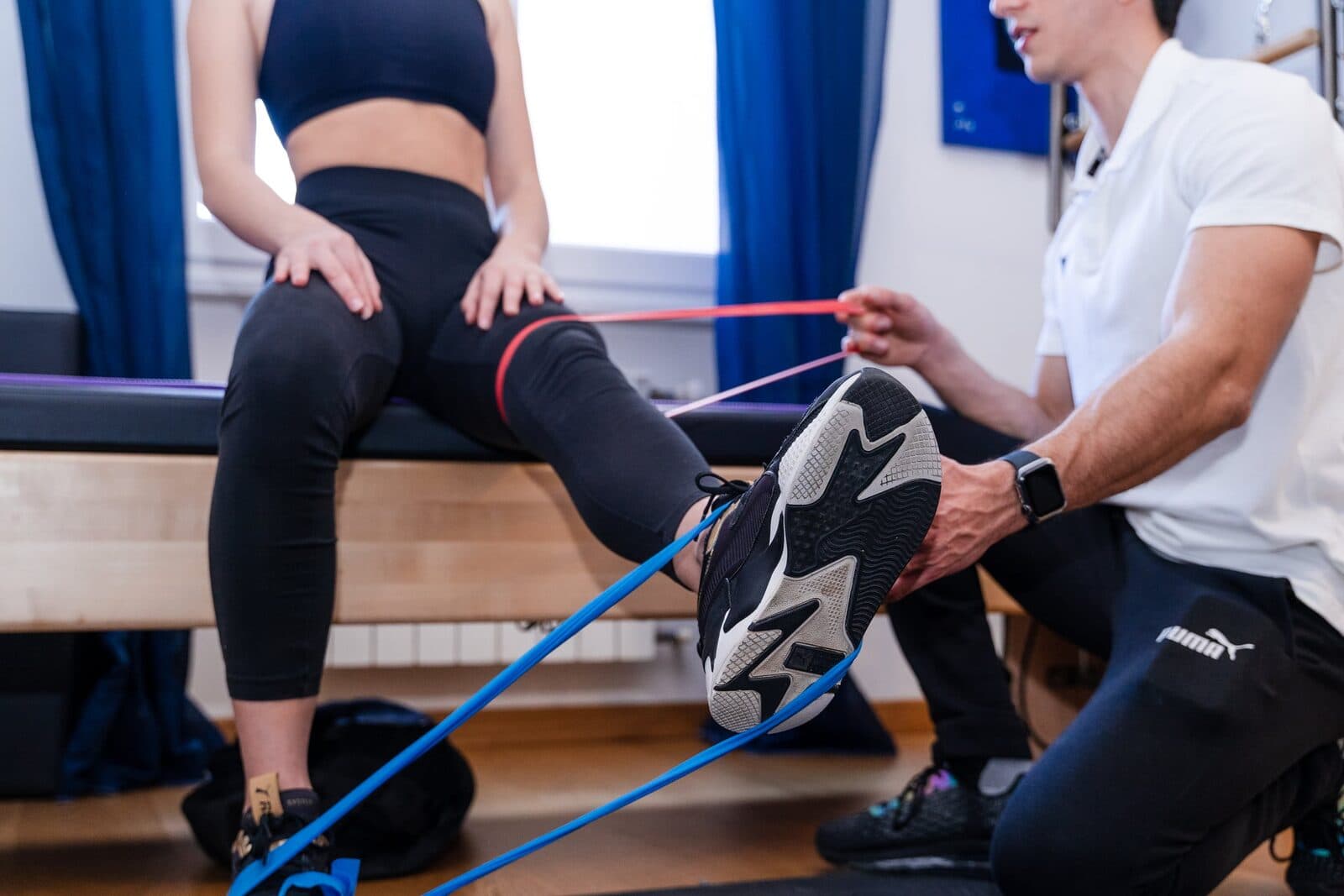
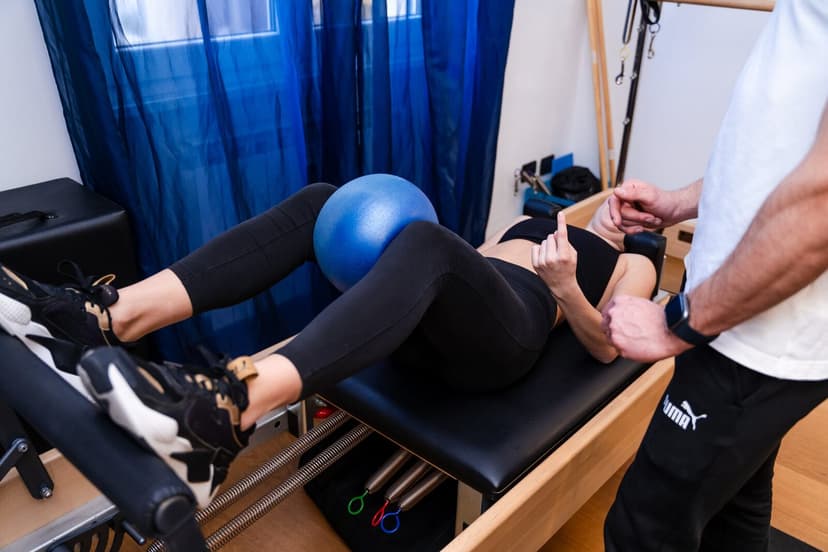
Non-drug therapies. A Cochrane review has examined non-drug therapies for the secondary prevention of lower limb cramps. This is the path to take first: it costs nothing, has no side effects, and only requires consistency.
The evening routine
Do this every evening, for a few weeks before judging:
- calf stretch: against a wall, back leg straight and heel on the floor, 30 seconds per side, 3 times;
- hamstring stretch: seated, leg straight, lean forward from the hips, 30 seconds per side;
- a few minutes of walking after dinner, instead of going straight from the sofa to bed;
- sheets not tucked too tightly at the foot of the bed: they force the foot to point all night, which is the position from which the cramp most easily starts;
- drink enough during the day, especially in summer and on days when you train.
One detail that helps many people: sleeping on your stomach is the worst position for calf cramps, because it keeps the foot pointed for hours.
When to talk to a doctor
- cramps that came on suddenly and are very frequent;
- weakness that remains even after the cramp;
- swelling of one leg only, especially with pain and heat;
- widespread tingling or unexplained weight loss;
- cramps that started after a new medicine.
Getting followed
There is no magic pill for night cramps, and knowing that magnesium has weak evidence saves months of unmet expectations. What remains is less spectacular and more effective: regular stretching, hydration, and checking the conditions that favour them.
With Ri-Hub the first consultation is free: a physiotherapist on the Italian professional register builds the evening programme suited to you, checks whether load, circulation or habits are involved, and tells you when the question should go to the doctor instead. Follow-up sessions cost 29,90€.
If the cramps are not only at night, the general picture is in Muscle cramps: causes, prevention and how to make them stop.
If beyond the cramps your legs already feel heavy in the evening, read Heavy legs and poor circulation: causes and what to do.
If calf pain persists during the day too, the chapter is Calf pain: causes, remedies and when to worry.
Sources
- Non-drug therapies for the secondary prevention of lower limb muscle cramps: The Cochrane database of systematic reviews, 2021
- Magnesium for skeletal muscle cramps: The Cochrane database of systematic reviews, 2020
- Quinine for muscle cramps: The Cochrane database of systematic reviews, 2015
Last source check: September 2026.