
Neck pain and headache: a painful pairing that affects millions of people around the world. If you suffer from frequent headaches and you also have neck problems, stiffness in the neck or tension in the shoulders, it is probably not two separate problems but related manifestations of the same dysfunction. In this complete guide you will discover how neck pain and headache are closely connected through precise neurophysiological mechanisms, how to recognise a headache of cervical origin and, above all, which strategies to adopt to free yourself effectively from both disorders.
Headache from the neck, scientifically called cervicogenic headache, is much more common than is generally thought and accounts for a significant share of all chronic headaches. Understanding the link between neck pain and headache is the fundamental first step towards lasting relief and stopping your dependence on painkillers. With the right information and the correct therapeutic approaches you can finally free yourself from this disabling problem.
⚠ Important: read this before continuing
The exercises and advice in this article are general guidance and may not suit your situation. Every person has a unique clinical history: what works for others could be counterproductive for you.
Want a professional's opinion? Start with the questionnaire: you register and see who will follow you, a physiotherapist on the Italian professional register chosen for your case, whom you can write to in chat. If you would rather hear their voice, the first consultation is free and we look at your situation together.
Neck Pain and Headache: The Mechanism of the Connection
How exactly are neck pain and headache connected? The mechanisms are many and scientifically well documented.
Trigeminocervical convergence: This is the main mechanism that explains the link between neck pain and headache. The upper cervical nerves (C1, C2, C3) converge in the brainstem with the trigeminal nerve, which is the main nerve responsible for sensation in the face and head. In this area of convergence, called the trigeminocervical nucleus, pain signals coming from the neck can be wrongly interpreted by the brain as pain in the head. It is as if the "wires" crossed, making what is really neck pain feel like a headache. This mechanism explains why treating the neck can make the headache disappear.
Muscle tension and referred pain: The neck muscles, when they are chronically tense and contracted, can radiate pain to the head through the mechanism of referred pain. In particular, the suboccipital muscles (small muscles at the base of the skull), the upper trapezius and the sternocleidomastoid frequently contain trigger points that refer pain to the head. This represents a direct link between cervical muscle tension and headache.
Trigger points and referred pain: Trigger points (or myofascial trigger points) are knots of tension within muscles that, when activated, cause pain not only locally but also in distant areas (referred pain). The trigger points in the neck muscles have well-documented referral patterns that include the head: the upper trapezius refers pain to the temple, the suboccipitals refer pain that wraps around the head from the back of the neck to the forehead, the sternocleidomastoid refers pain around the eye and forehead. These trigger points create the link between neck pain and headache.
Cervical joint dysfunction: Dysfunctions of the joints of the upper cervical spine (C0-C1, C1-C2, C2-C3) can directly cause headache through irritation of the joint and nerve structures. These joints are rich in receptors that communicate with the pain centres, establishing the link between joint problems in the neck and headache.
Headache from Neck Pain: How to Recognise It
Headache linked to the neck, cervicogenic headache, has specific characteristics that distinguish it from other types of headache.
An important tip: before trying these exercises, make sure you have had a correct diagnosis. People often think they have one problem, but the real cause of the pain is something else. Doing the wrong exercises can make things worse instead of better.
Origin from the neck: The most distinctive feature of cervicogenic headache is that the pain typically originates in the neck or at the base of the skull and from there radiates forward towards the forehead, the temples or around the eye. Many patients describe the sensation of pain that "climbs" from the neck to the head. This pattern is typical of the link between neck pain and headache.
One-sidedness: Headache from neck pain often affects one side of the head, although it can alternate sides in different episodes. This one-sidedness distinguishes neck pain and headache from classic tension-type headache, which is typically bilateral.
A word of caution, though: Arnold's neuralgia is also one-sided and starts at the base of the skull. There the pain is stabbing, the point where the nerve emerges is tender to pressure and the skin of the back of the neck often has altered sensitivity.
Triggering by movements or positions: Cervicogenic headache is characteristically triggered or made worse by certain neck movements, by prolonged positions (such as working at a computer or driving) or by pressure on specific points of the neck. This relationship with cervical movement is diagnostic of the link between neck pain and headache.
Associated neck stiffness: People who suffer from neck pain and headache almost always also have stiffness and restricted neck movement. Cervical mobility is often reduced, especially in rotation.
Concurrent neck pain: Typically, when there is a headache there is also pain or discomfort in the neck. The two symptoms tend to appear together and to improve together.
Absence of the typical symptoms of migraine: Unlike migraine, cervicogenic headache generally does not come with severe nausea, vomiting, or marked photophobia or phonophobia, although some of these symptoms may be present in a mild form.
Response to cervical treatment: The diagnostic confirmation of the link between neck pain and headache comes from the fact that treating the neck improves or eliminates the headache.

Causes of the Link Between Neck Pain and Headache
Various cervical conditions can cause cervicogenic headache.
C1-C3 joint dysfunction: The first three cervical vertebrae and their joints are the structures most involved in the link between neck pain and headache. Dysfunctions at these levels, which can result from trauma (whiplash), chronic poor posture or degeneration, directly irritate the structures that converge on the trigeminocervical nucleus.
Tension of the suboccipital muscles: These four small muscles (rectus capitis posterior major, rectus capitis posterior minor, obliquus capitis superior, obliquus capitis inferior) at the base of the skull are extremely important in the link between neck pain and headache. When they are chronically tense, they cause pain at the base of the skull that radiates over the head. Their tension is often a consequence of forward head posture.
Trigger points in the upper trapezius: The trigger points in the upper trapezius refer pain to the temple and around the ear, contributing to the link between neck pain and headache.
Trigger points in the sternocleidomastoid: This muscle at the sides of the neck can contain trigger points that cause pain around the eye, the forehead and the cheek. It is a frequent cause of neck pain and headache.
Upper cervical osteoarthritis: Degenerative changes in the first cervical vertebrae can irritate the nerve and joint structures that link neck pain and headache, especially in older people.
Forward head posture: The posture with the head projected forward, an epidemic of the modern world, chronically stresses all the structures that connect neck pain and headache: the suboccipital muscles, the upper cervical joints, the neck muscles.
Whiplash: Cervical trauma from whiplash can leave cervicogenic headache as a chronic outcome, establishing a traumatic link between neck pain and headache.
During pregnancy: posture and loads change within a few weeks and the neck feels it; it is also the condition in which the options for treating headache narrow the most. We have written about it in headache during pregnancy.
Treatment
Treating the cervical component effectively is the key to resolving cervicogenic headache.
Cervical manual therapy: Mobilisation and manipulation of the upper cervical vertebrae (when appropriate and safe) is very effective for neck pain and headache. These techniques improve joint mobility, reduce the irritation of the structures involved and can give immediate relief from headache.
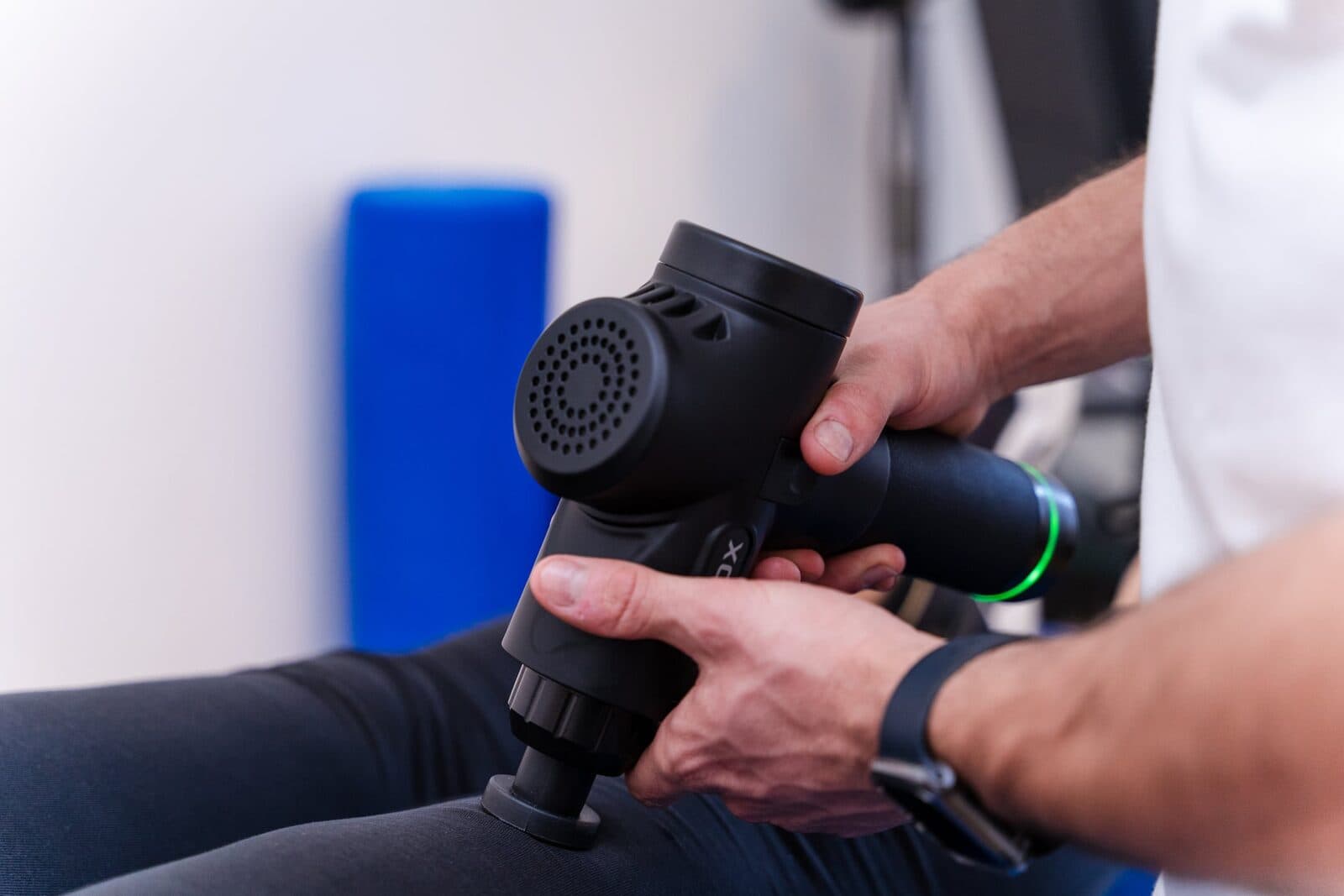
Trigger point release: Treating the trigger points in the suboccipital muscles, the trapezius and the sternocleidomastoid is essential for neck pain and headache. Release techniques may include sustained pressure, dry needling or manual treatment.
Release of the suboccipital muscles: Given their important connections with the pain centres, specific release of the suboccipital muscles is crucial in treating neck pain and headache.
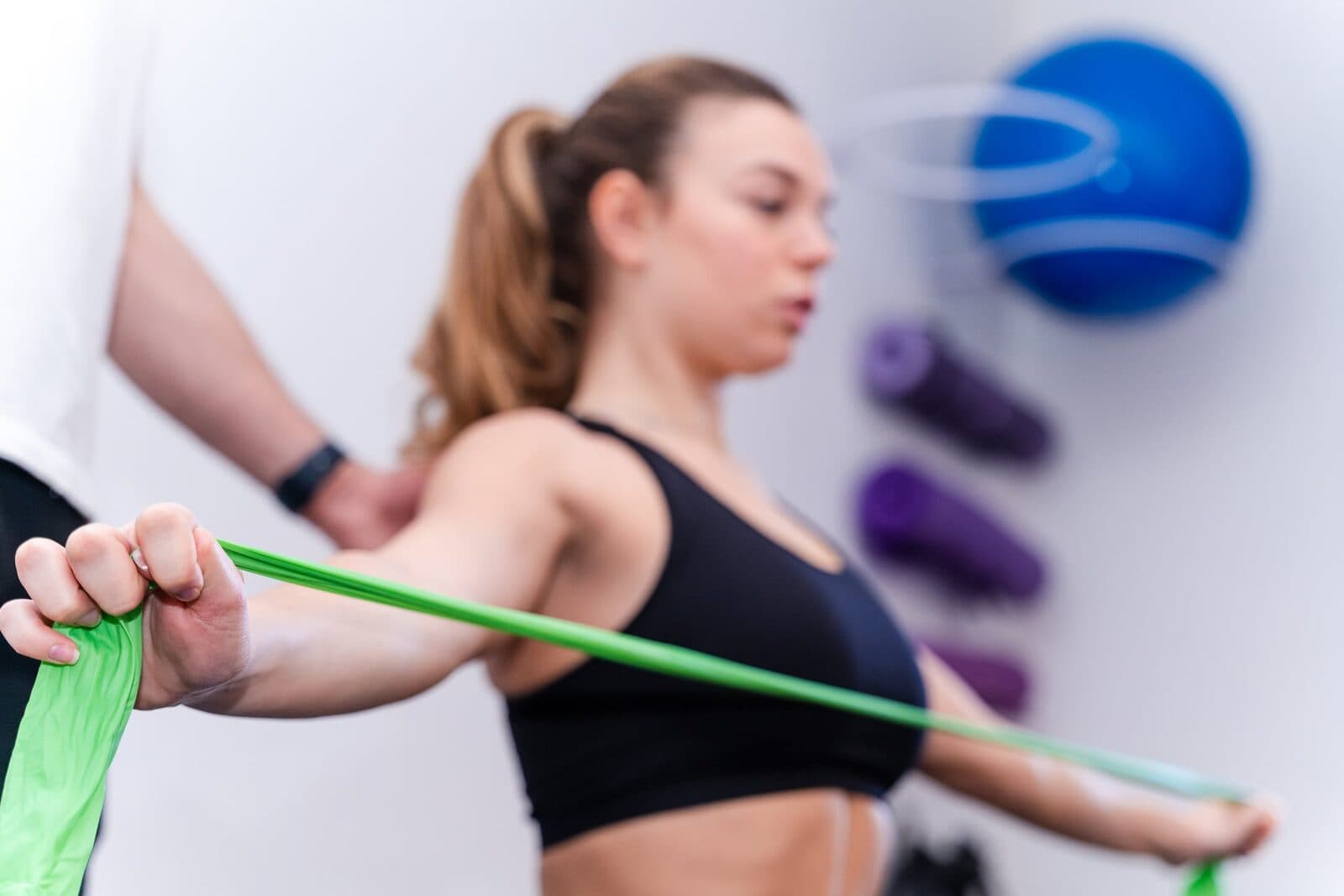
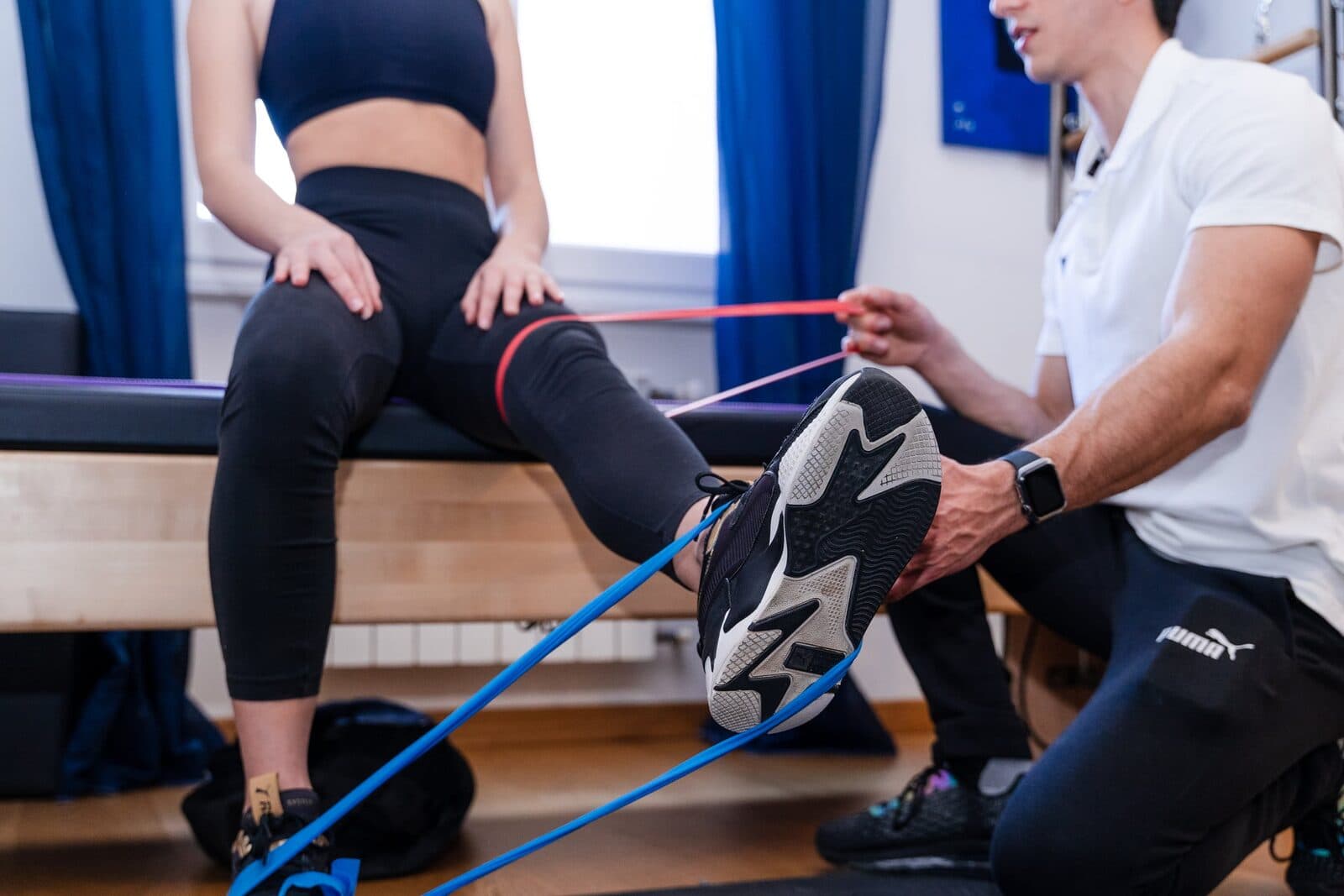
Therapeutic exercises: Specific stretching and strengthening exercises are essential for resolving neck pain and headache in the long term and preventing relapses. The exercises must be targeted at the structures involved.
Postural correction: Correcting forward head posture and improving ergonomics is fundamental for eliminating the underlying causes of neck pain and headache.
Exercises for Neck Pain and Headache
These specific exercises help to break the link between neck pain and headache.
Chin tuck (chin retraction): Draw the chin back as if making a double chin, keeping the gaze horizontal. This exercise is fundamental for correcting the forward head posture that causes neck pain and headache. 10-15 repetitions with a 5-second hold, several times a day.
Suboccipital muscle stretch: Do a chin tuck (double chin) and then slowly tilt the head forward, bringing the chin towards the chest, feeling the stretch at the base of the skull. This stretch is crucial for neck pain and headache because it releases the muscles most involved. 30 seconds, 3 repetitions.
Self-massage of the suboccipital muscles: Lying supine, place two tennis balls (or a specific tool) under the base of the skull, where the suboccipital muscles attach to the occipital bone. Relax completely and let the weight of the head apply pressure. This self-massage is very effective for neck pain and headache. 3-5 minutes a day.
Self-massage of the sternocleidomastoid: With your fingers, gently pinch the sternocleidomastoid muscle (the large muscle at the sides of the neck) and massage, looking for tender spots. Releasing this muscle helps with neck pain and headache. 2 minutes per side.
Upper trapezius stretch: Tilt the head, bringing the ear towards the opposite shoulder, using your hand to gently increase the stretch. This stretch releases the tension that links neck pain and headache. 30 seconds per side, 3 repetitions.
Gentle neck rotations: Slowly rotate the head to the right and to the left, gradually increasing the range of movement. This maintains cervical mobility and helps prevent neck pain and headache. 10 repetitions per side.
Strengthening of the deep neck flexors: The chin tuck with light resistance (holding a finger against the chin) strengthens the deep flexor muscles that counter the forward head posture responsible for neck pain and headache. 10 repetitions.
Posture
Postural correction is absolutely essential for anyone who suffers from neck pain and headache.
Head position: Keep your ears aligned vertically with your shoulders, not with the head projected forward. Imagine a thread pulling you upwards from the top of your head. Forward head posture is the main postural cause of neck pain and headache.
Computer ergonomics: Place the monitor at eye level or slightly below, about an arm's length away. A screen that is too low or too far away forces the forward head posture that causes neck pain and headache.
Smartphone use: Bring the phone up to eye level instead of bending the neck downwards. Prolonged smartphone use with the neck bent contributes significantly to neck pain and headache.
Frequent breaks: Every 30-45 minutes of sedentary work, stand up and move your neck. These breaks prevent the build-up of tension that leads to neck pain and headache.
Sleeping position: A pillow that keeps the neck aligned with the spine (neither too high nor too low) is important for preventing morning neck pain and headache.
Lifestyle
Several lifestyle factors affect neck pain and headache and how they are managed.
Stress: Chronic stress increases cervical muscle tension, making neck pain and headache worse. Relaxation techniques, deep breathing and meditation can significantly reduce both problems.
Sleep: Poor-quality sleep makes both neck pain and headache worse. An inadequate pillow can cause neck pain and headache on waking.
Hydration: Dehydration can make headache worse regardless of the neck. Drinking enough water during the day is important.
Physical activity: Regular exercise reduces muscle tension and improves posture, helping with neck pain and headache.
Caffeine: Excessive use or withdrawal from caffeine can affect headache, although not the neck directly.
When to Be Concerned
Some headaches are not linked to the neck and require urgent medical attention. These are the warning signs.
"Thunderclap" headache: A very intense and sudden pain in the head, which peaks within seconds, is not typical of the link between neck pain and headache and requires urgent medical assessment to rule out a brain haemorrhage.
Headache with high fever and neck stiffness: This combination could indicate meningitis, not simply neck pain and headache. It requires immediate assessment.
Headache that gets progressively worse: A headache that steadily worsens over time needs investigation beyond the simple link between neck pain and headache.
Headache with neurological symptoms: Weakness, difficulty speaking, visual changes, confusion associated with headache require urgent assessment.
New headache after the age of 50: A headache of new onset in someone who never had them deserves further investigation.
Physiotherapy for Neck Pain and Headache
Physiotherapy is very effective for neck pain and cervicogenic headache and is considered the first-choice treatment for this condition. A specialised physiotherapist can precisely identify the cervical structures responsible for the headache (joints, muscles, trigger points), treat them with specific manual techniques, and teach you exercises and strategies to maintain the results and prevent relapses.
With Ri-Hub you can access physiotherapists who are experienced in treating neck pain and headache from the comfort of your home. Telerehabilitation lets you be assessed, learn the correct exercises under professional supervision and follow a personalised programme to break this painful link between neck pain and headache.
Telerehabilitation is particularly suitable for neck pain and headache because most of the treatment consists of exercises, self-massage and postural corrections that you can learn and carry out at home. You can receive the professional guidance you need with the flexibility to follow the programme when and where you prefer.
Do not accept living with neck pain and headache thinking it is normal or unavoidable. With the right treatment, patience and consistency in the exercises, you can free yourself from both problems and regain the quality of life you deserve. Ri-Hub's professionals are ready to help you on this path to wellbeing.
Sources
- The effectiveness of manual and exercise therapy on headache intensity and frequency among patients with cervicogenic headache: a systematic review and meta-analysis, Chiropr Man Therap, 2022
- Mulligan manual therapy added to exercise improves headache frequency, intensity and disability more than exercise alone in people with cervicogenic headache: a randomised trial, J Physiother, 2024
Last source check: September 2026.
You might also be interested in:
Piriformis Syndrome: Symptoms, Causes and Effective Exercises
Epicondylitis (Golfer's Elbow): Symptoms, Causes and Treatment
Sleeper Stretch: Complete Guide to Improving Shoulder Mobility
Stay in touch with us
Join our dedicated Facebook group: we answer every patient, give practical advice and clear up the most common doubts.
Need a consultation?
Start with the questionnaire on Ri-Hub: a few questions about your case, you register, and you see who will follow you: a physiotherapist on the Italian professional register, whom you can write to in chat whenever you like. If you prefer to talk it through by voice, the first consultation is free, lasts twenty minutes and commits you to nothing: they arrive having already read what you wrote, and together you decide whether and how to go on.