
Coxalgia symptoms: if you feel pain in the hip area and wonder what it is, you may have heard of coxalgia. Knowing the symptoms of coxalgia is important for understanding your problem and looking for the right treatment. In this guide you will find out everything about the symptoms of coxalgia.
Coxalgia is a medical term that simply means pain in the hip. The symptoms of coxalgia can vary depending on the underlying cause. Understanding the symptoms of coxalgia will help you communicate better with health professionals.
⚠ Important: read this first
The exercises and advice in this article are general information and may not suit your situation. Every person has a unique clinical history: what works for others could be counterproductive for you.
Want a professional's opinion? Start with the questionnaire: you register and see who will follow you, a physiotherapist on the Italian professional register chosen for your case, to whom you write in chat. If you would rather hear their voice, the first consultation is free and we look at your situation together.
Coxalgia Symptoms: What the Term Means
Coxalgia comes from the Latin coxa (hip) and the Greek algos (pain). The symptoms of coxalgia therefore describe any pain in the region of the hip. This term is generic, and the symptoms of coxalgia always require investigation.
The symptoms of coxalgia can originate from the hip joint itself or from the surrounding tissues. Muscles, tendons, bursae and nerves can cause the symptoms of coxalgia. The location of the symptoms of coxalgia helps to identify the cause.
Pain
Pain is the main symptom of coxalgia. The symptoms of coxalgia can appear as a dull, constant pain or as a sharp, intermittent one. The quality of the pain in the symptoms of coxalgia provides clues.
The symptoms of coxalgia from osteoarthritis are typically dull and deep. They get worse with activity and improve with rest. These symptoms of coxalgia are common in the elderly.
The symptoms of inflammatory coxalgia are often sharper. They can also be present at rest. The inflammatory quality of the symptoms of coxalgia points to certain causes.
Pain that radiates is an important symptom of coxalgia. From the groin to the front of the thigh or to the knee. This radiation in the symptoms of coxalgia is characteristic.
An important point: before trying these exercises, make sure you have received a correct diagnosis. People often think they have one problem, but the real cause of the pain is something else. Doing the wrong exercises can make things worse instead of better.

Location
The front symptoms of coxalgia are felt in the crease of the groin. This location suggests joint origin. Groin-related symptoms of coxalgia are often due to osteoarthritis or impingement.
The lateral symptoms of coxalgia are felt on the side of the hip. Trochanteric bursitis causes these symptoms of coxalgia. This location often indicates an extra-articular condition.
The posterior symptoms of coxalgia are felt in the buttock. Piriformis syndrome or lower back problems cause these symptoms of coxalgia. The posterior location requires differential diagnosis.
The symptoms of coxalgia that radiate to the knee are particular. The hip and the knee share innervation. These symptoms of coxalgia can be confusing.
Stiffness
Stiffness is a common symptom of coxalgia. Difficulty moving the hip in certain movements. This symptom of coxalgia limits daily activities.
The symptoms of coxalgia with morning stiffness suggest osteoarthritis. The stiffness lasts less than 30 minutes. These symptoms of coxalgia are typical of degeneration.
The symptoms of coxalgia with prolonged stiffness suggest inflammation. Stiffness that lasts for hours. These symptoms of coxalgia can indicate inflammatory arthritis.
Limitation of movement is an objective symptom of coxalgia. You cannot rotate, flex or extend the hip fully. This symptom of coxalgia indicates a joint condition.
Limping
Limping is a functional symptom of coxalgia. Walking becomes asymmetrical to avoid the pain. This symptom of coxalgia is visible to others.
The symptoms of coxalgia cause an antalgic limp. You reduce the time spent bearing weight on the painful side. This pattern is typical of the symptoms of coxalgia.
The Trendelenburg limp is a symptom of coxalgia caused by gluteal weakness. The pelvis drops on the opposite side when you bear weight. These symptoms of coxalgia indicate muscle dysfunction.
Joint Noises
Crepitus is a symptom of coxalgia caused by cartilage wear. Creaking and noises during movement. These symptoms of coxalgia indicate osteoarthritis.
Clicking is a symptom of coxalgia caused by tendon problems. The iliotibial band or the psoas snapping. These symptoms of coxalgia can be audible or palpable.
Locking is a serious symptom of coxalgia. The hip gets stuck in certain positions. These symptoms of coxalgia can indicate loose bodies in the joint.
When They Get Worse
The symptoms of coxalgia that worsen with load suggest osteoarthritis. Walking and standing increase the pain. This pattern in the symptoms of coxalgia is common.
The symptoms of coxalgia that worsen at night suggest inflammation. Pain that wakes you up is significant. These symptoms of coxalgia require attention.
The symptoms of coxalgia that worsen when sitting suggest muscle problems. Piriformis and hip flexors. This presentation of the symptoms of coxalgia is particular.
Main Causes
Hip osteoarthritis causes the symptoms of coxalgia in adults. Groin pain, stiffness, limitation. These symptoms of coxalgia are the most common in older age.
Femoroacetabular impingement causes the symptoms of coxalgia in young people. Pain with flexion and internal rotation. These symptoms of coxalgia are frequent in athletes.
Trochanteric bursitis causes lateral symptoms of coxalgia. Pain on the side of the hip. These symptoms of coxalgia are common in middle-aged women.
Femoral head necrosis causes serious symptoms of coxalgia. Progressive pain with no apparent cause. These symptoms of coxalgia require timely diagnosis.
When to Consult
Symptoms of coxalgia that persist beyond 2 weeks need assessment. Pain that does not go away deserves attention. These symptoms of coxalgia need to be investigated.
Symptoms of coxalgia with fever are urgent. They could indicate an infection. These symptoms of coxalgia require immediate assessment.
Symptoms of coxalgia with inability to bear weight are serious. They could indicate a fracture. These symptoms of coxalgia are emergencies.
Symptoms of coxalgia that progress despite rest need investigation. A worsening suggests conditions that need to be ruled out. These symptoms of coxalgia deserve further examination.
Treatment
Treatment depends on the specific symptoms of coxalgia. Identifying the cause guides the therapy. Assessing the symptoms of coxalgia is the first step.
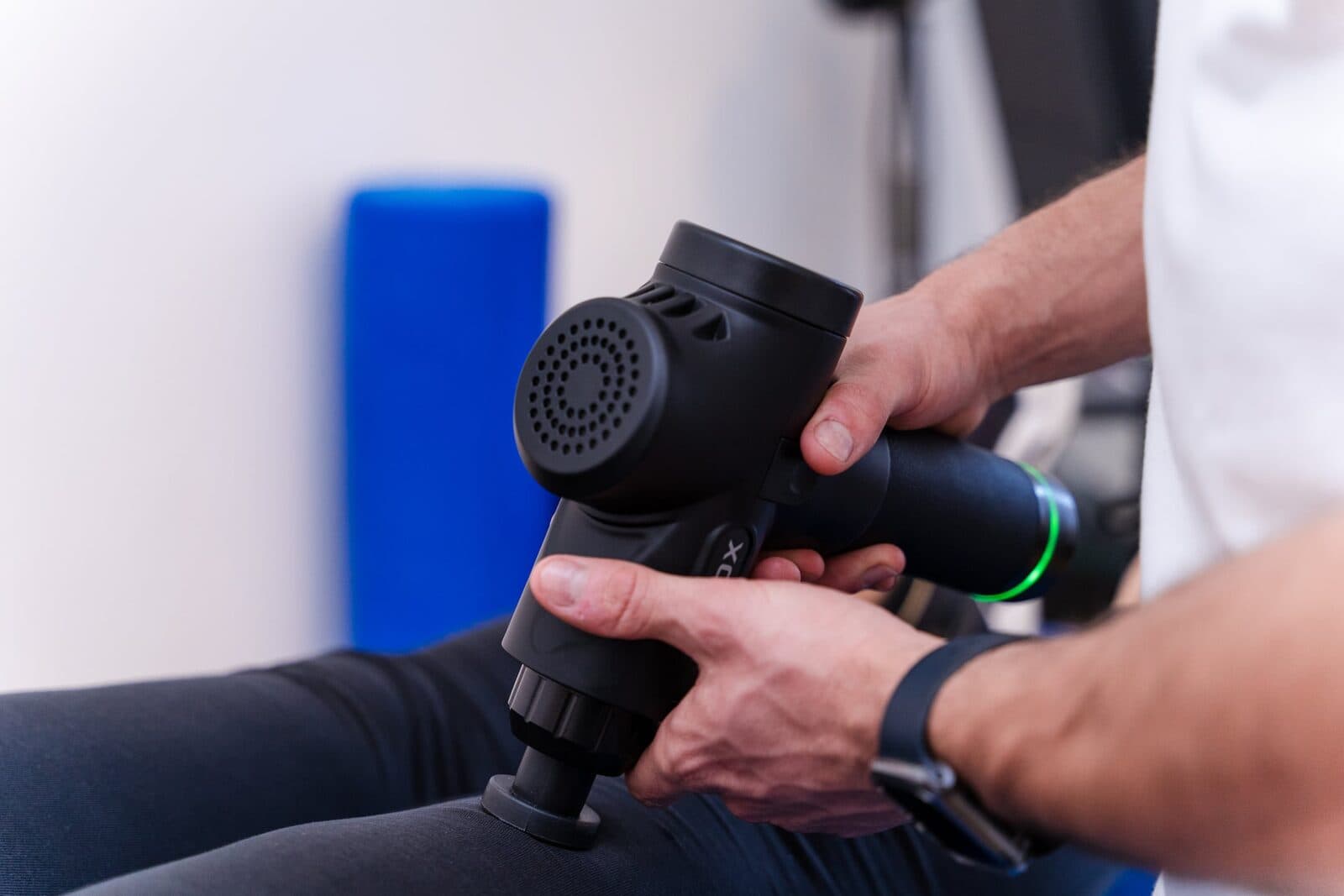
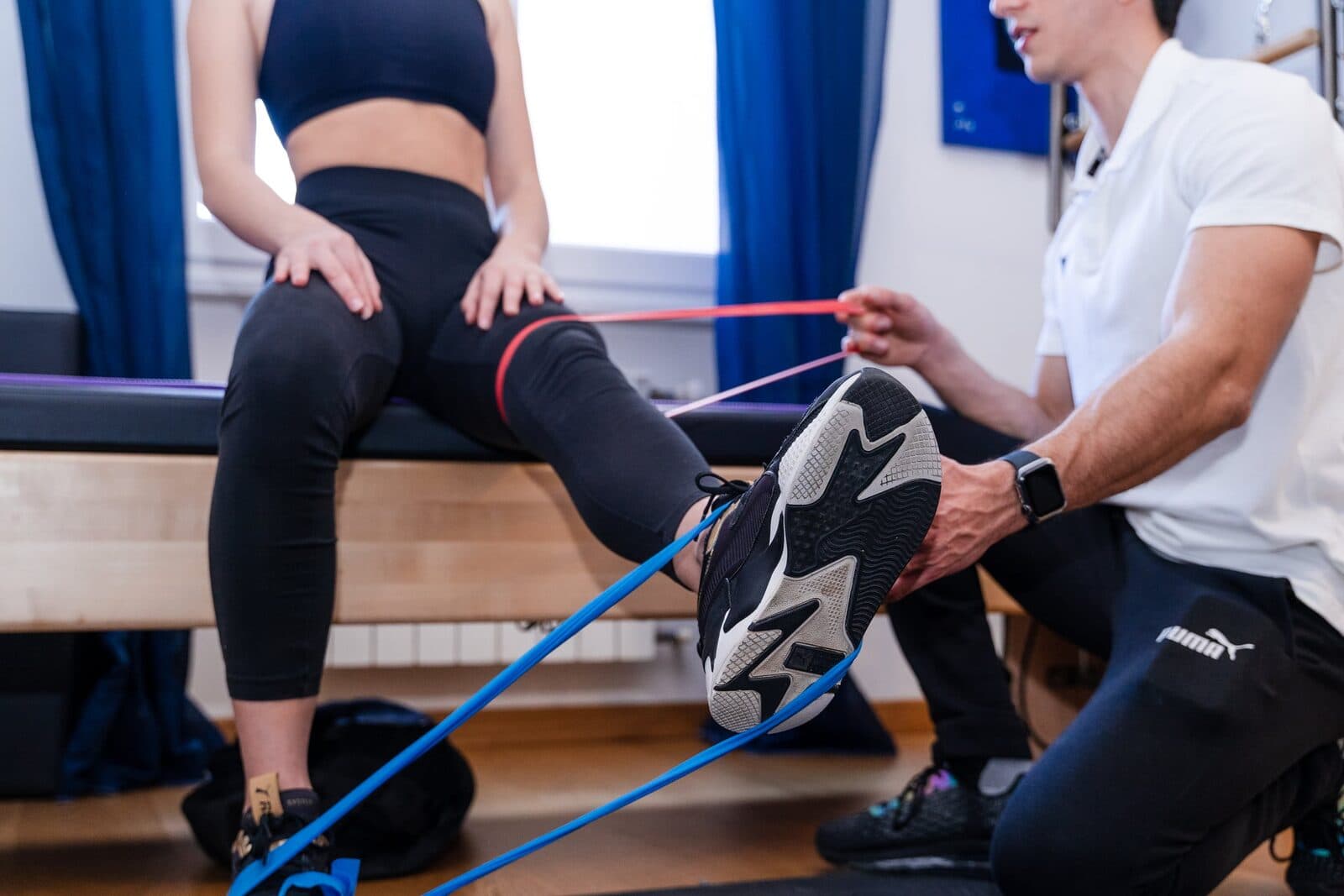
Physiotherapy helps many symptoms of coxalgia. Exercises, mobilisation, strengthening. Physiotherapy addresses the symptoms of coxalgia conservatively.
Remote Rehabilitation
A professional assessment clarifies the symptoms of coxalgia. A physiotherapist can analyse your symptoms, perform tests, and guide you through exercises. This approach addresses the symptoms of coxalgia.
With Ri-Hub you can receive an assessment for the symptoms of coxalgia comfortably from home. The physiotherapist analyses your situation and guides you through the appropriate exercises. Remote rehabilitation addresses the symptoms of coxalgia.
A remote rehabilitation session for the symptoms of coxalgia costs only 29,90 euro. An investment in understanding and treating your hip pain. Book a free consultation and address your symptoms of coxalgia.
You might also like:
Leg Circulation: Exercises for People Who Sit All Day Whiplash: Symptoms, Recovery and Rehabilitation Exercises What a Physiotherapist Does: Complete Guide to the Profession
Stay in touch with us Join our dedicated Facebook group: we reply to all patients, give practical advice and clear up the most common doubts.
Need a consultation?
Start from the Ri-Hub questionnaire: a few questions about your case, you register, and see who will follow you: a physiotherapist on the Italian professional register, to whom you write in chat whenever you like. If you prefer to talk it through by voice, the first consultation is free, lasts twenty minutes and commits you to nothing: they arrive having already read what you wrote, and together you decide whether and how to continue.