You bent down to pick something up, or you turned while sitting. A movement you make a thousand times. And your back locked: sharp pain at the base of the spine, the feeling that you cannot straighten up, the fear of moving.
The colpo della strega (literally "witch's strike", in clinical terms acute low back pain) is one of the most common and most frightening experiences involving the back. It is also the one with the worst advice going around.
What really happened
In the vast majority of cases nothing has broken. What happens is a defensive response: an irritation of the tissues of the lower back triggers an intense muscle spasm, which blocks movement to protect the area.
It is a reaction out of proportion to its cause, and that is exactly what makes it frightening. A trivial movement produces pain at ten out of ten, and the brain concludes that something serious must have happened. Almost never is that the case.
The first 48 hours
1. Find a position that relieves the pain. Lie on your side with a pillow between your knees, or on your back with your knees bent and your calves resting on a chair. It serves to break the pain-spasm cycle, not to cure.
2. Start moving again as soon as you can. Even just walking around the house for a few minutes, several times a day. This is the counterintuitive and most important part: the guidelines on noninvasive treatment of low back pain recommend staying active, and prolonged bed rest is discouraged because it slows recovery.
3. Heat helps. A hot water bottle or a self-heating patch on the area: in colpo della strega the dominant problem is muscle spasm, and heat relaxes it. In the very first hours some people feel better with cold. Both are fine, provided they help you move more.
4. Painkillers, if needed. They are a tool to help you move, not the cure. Your doctor or pharmacist will indicate the dose and the choice.
What does not help: staying in bed for days, wearing a back brace for long periods, and waiting for it to "pass by itself" without moving at all.

How long it lasts
The acute phase usually lasts a few days, with the fastest improvement in the first weeks. A systematic review with meta-analysis from 2024 described the clinical course of acute, subacute and persistent low back pain: knowing the expected course helps you not to panic over a residual ache, which is common even after the lock has passed.
If after a few weeks there is no improvement at all, the picture needs to be reassessed.
When you need a doctor, right away
Go to the emergency room without waiting if any of these appear:
- real weakness in a leg: the foot giving way, difficulty standing on your toes or heels;
- difficulty controlling urine or stools;
- an area of numbness in the area in contact with the saddle.
Contact your doctor promptly if the pain came on after a major trauma, if it comes with fever or unexplained weight loss, or if you have a history of cancer or severe osteoporosis.
Outside these cases, X-rays and MRI are not needed in the acute phase: they do not change the treatment, and finding common, harmless findings such as protrusions or signs of arthritis causes worry without adding anything.
How to keep it from coming back
Here the message is clear, and it goes against instinct: the back is not protected, it is strengthened.
People who have had a colpo della strega tend to avoid bending, lifting weights, making "risky" movements. The result is a back that tolerates less and less load, and so locks up more easily the next time.
The evidence on exercise is broad: a systematic review from 2026 assessed resistance training for pain, quality of life and disability in chronic non-specific low back pain, and a 2024 review examined Pilates. Different approaches, same direction: you improve by loading progressively, not by avoiding.
In practice, after the acute phase:
- walk every day, increasing gradually;
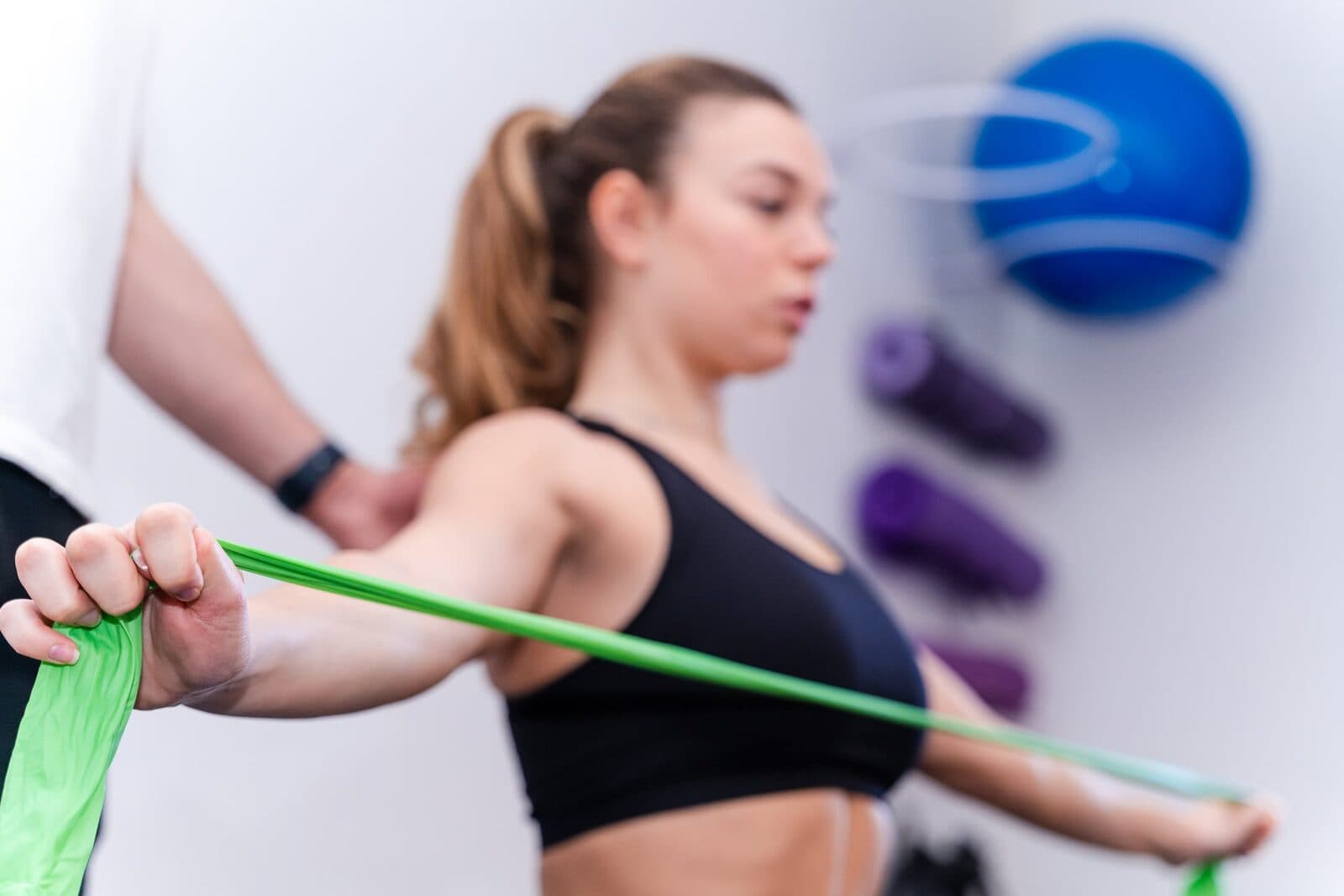
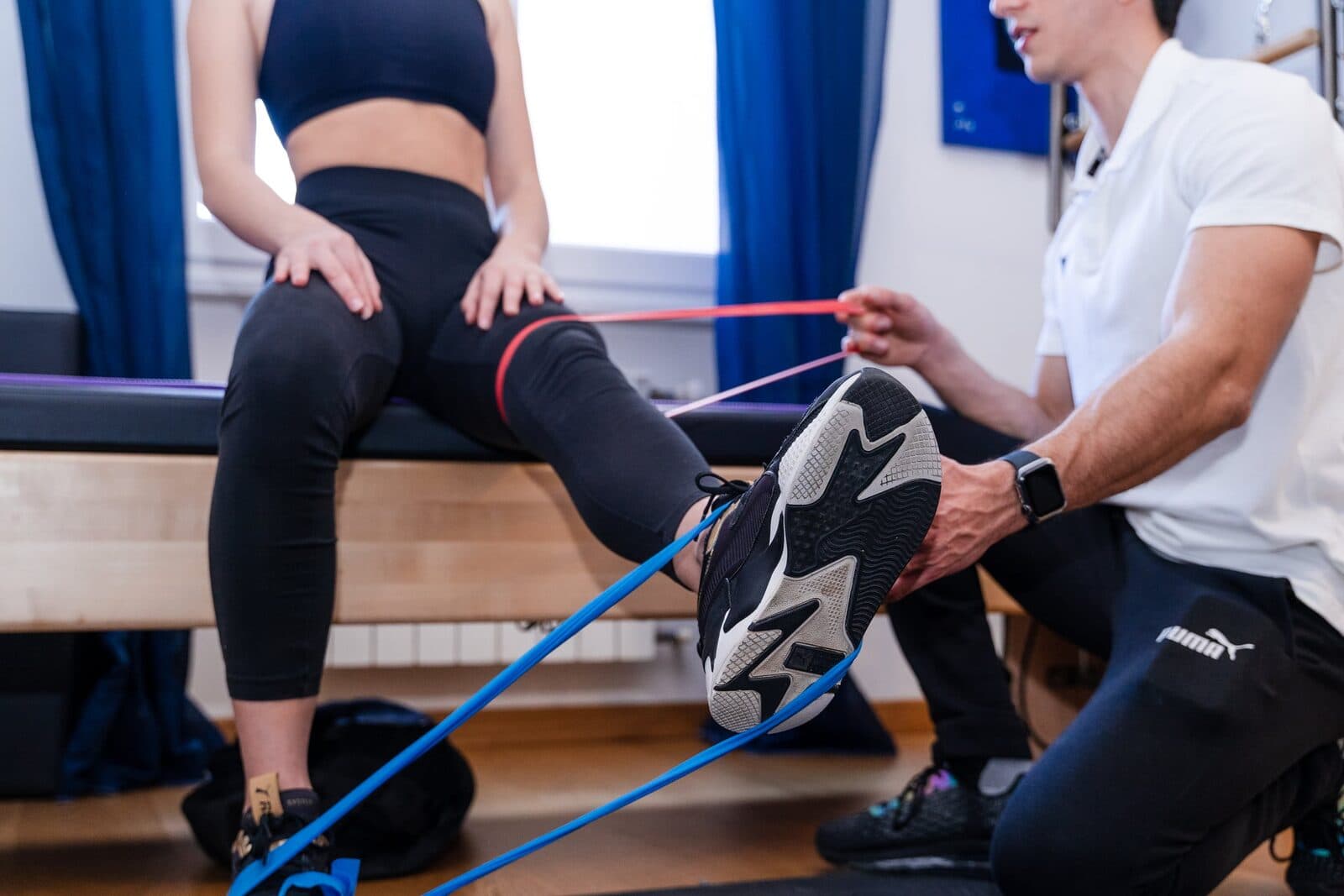
- strengthen legs, glutes and trunk with progressive loads, not just bodyweight abdominal exercises;
- learn to bend instead of avoiding it: bending is not dangerous, bending badly and without strength is;
- change position often if you work sitting down. The worst posture is the one you hold for too long.
Getting support
A colpo della strega almost always passes by itself. The real point is another: the first weeks decide whether it comes back. Those who gradually return to loading reduce the risk; those who stay in protection mode increase it.
With Ri-Hub the first consultation is free: a physiotherapist on the Italian professional register checks that there are no signs that need investigating, tells you which movements you can already do today, and sets the progression so that it is not the first of a series. Follow-up sessions cost 29,90€.
If your back is locked right now and you need the quick guide, it is in Stuck back: what to do to get moving again right away.
If the pain runs down the leg past the knee, the picture is different: Sciatica: exercises to avoid so you do not make it worse.
Wondering how much it would cost to get guided? The cost depends on how many sessions are needed, not on the single rate: you will find the numbers in How much physiotherapy for back pain costs.
Sources
- Noninvasive Treatments for Acute, Subacute, and Chronic Low Back Pain: A Clinical Practice Guideline From the American College of Physicians, Annals of internal medicine, 2017
- The clinical course of acute, subacute and persistent low back pain: a systematic review and meta-analysis, CMAJ : Canadian Medical Association journal = journal de l'Association medicale canadienne, 2024
- Effectiveness of Pilates exercise on low back pain: a systematic review with meta-analysis, Disability and rehabilitation, 2024
- Does resistance training improve pain intensity, quality of life, and disability in people with chronic nonspecific low back pain? A systematic review and meta-analysis, Disability and rehabilitation, 2026
Sources last checked: September 2026.