
Heart disease and exercise: physical activity is an integral part of managing heart conditions. The pairing of heart disease and exercise may seem counterintuitive, but it is supported by science. Understanding how to manage heart disease and exercise is essential for heart health.
Many people with heart problems fear exercise. Yet, in the relationship between heart disease and exercise, inactivity is more dangerous than controlled movement. Let us see how to approach heart disease and exercise safely.
⚠ Important: read this before continuing
The exercises and advice in this article are general indications and may not suit your situation. Every person has a unique clinical history: what works for others could be counterproductive for you.
Want a professional's opinion? Start from the questionnaire: you register and see who will follow you, a physiotherapist on the Italian professional register chosen for your case, whom you write to in chat. If you would rather hear their voice, the first consultation is free and we look at your situation together.
Why Exercise Matters in Heart Disease
In the relationship between heart disease and exercise, the benefits are enormous. Exercise improves cardiac efficiency, reducing the heart's effort. In the pairing of heart disease and exercise, movement lowers blood pressure.
Physical activity improves the lipid profile, reducing "bad" cholesterol. For heart disease and exercise, weight control is another benefit. Movement also reduces anxiety and depression, which are common in people with heart conditions.
Heart Disease and Exercise: Before You Start
Before taking on heart disease and exercise, a medical evaluation is necessary. The cardiologist sets the safe parameters. When managing heart disease and exercise, a stress test may be requested.
For heart disease and exercise, knowing your limits is essential. The target heart rate is calculated individually. In the relationship between heart disease and exercise, safety comes first.
Recommended Types of Exercise
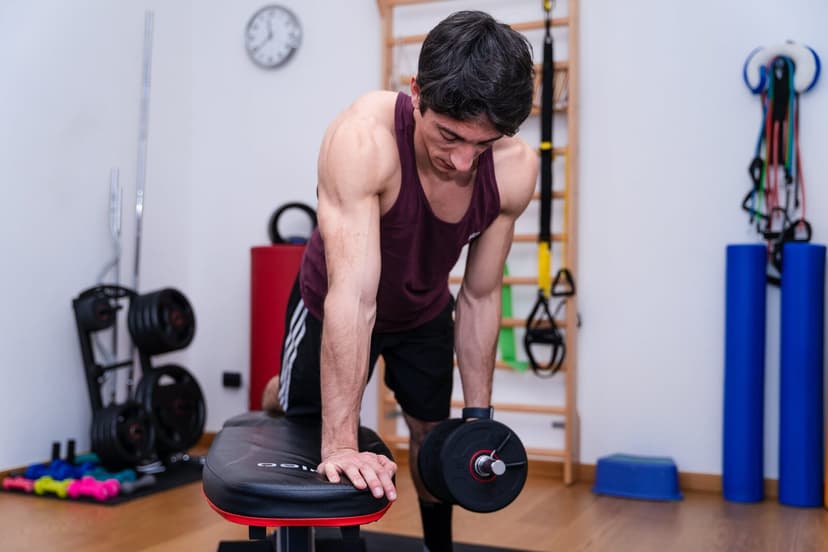
For heart disease and exercise, moderate aerobic activity is recommended. Walking, swimming and cycling on an exercise bike are ideal in heart disease and exercise. Start with low intensity and short duration.
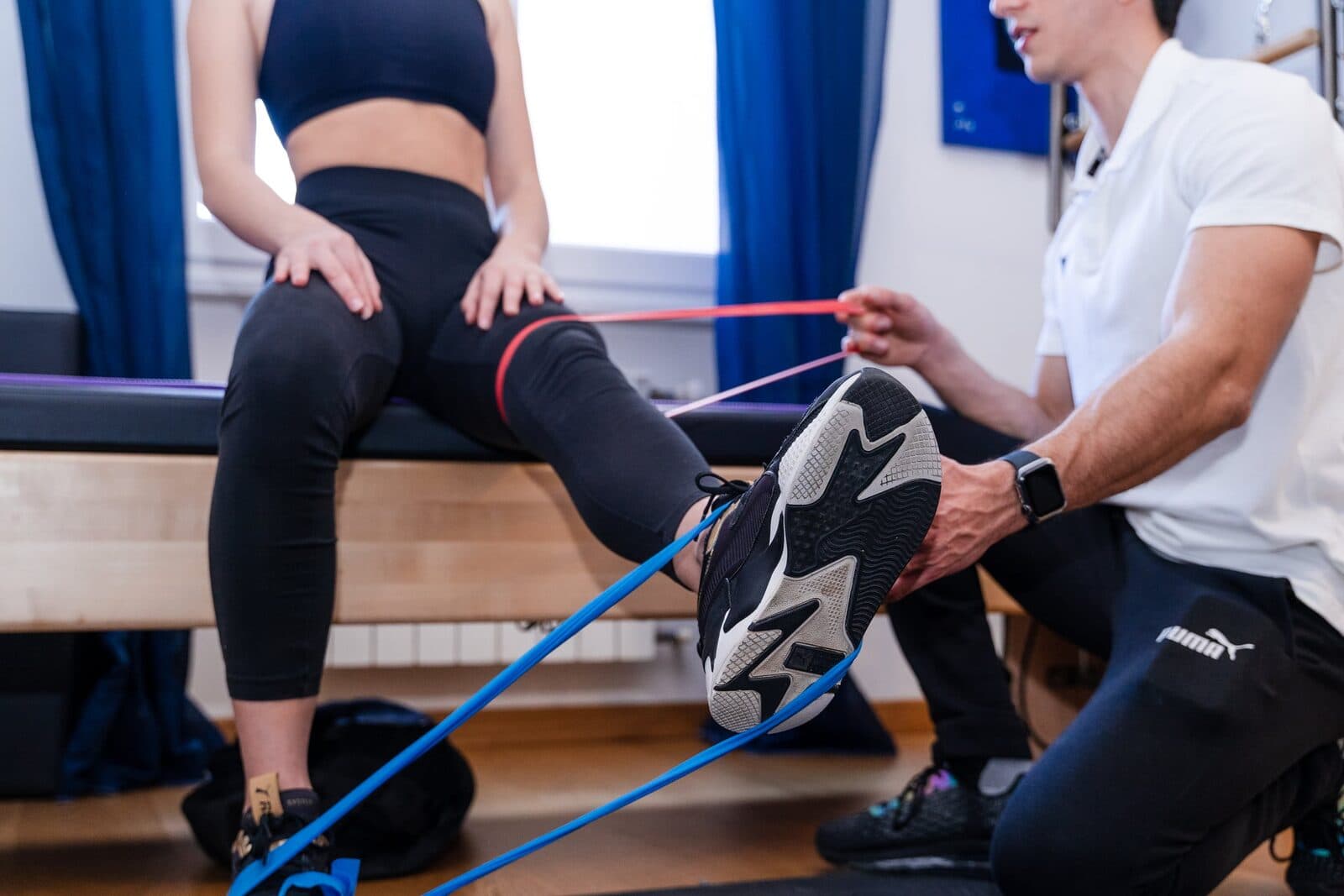
Muscle strengthening is part of complete heart disease and exercise programmes. Exercises with light weights or elastic bands are safe. For heart disease and exercise, avoid intense isometric efforts that raise blood pressure.
An important point: before trying these exercises, make sure you have had a correct diagnosis. People often think they have one problem, but the real cause of the pain is another. Doing the wrong exercises can make the situation worse instead of better.
Warning Signs
When managing heart disease and exercise, recognise the warning signs. Chest pain, excessive shortness of breath and dizziness require stopping immediately. For heart disease and exercise, never ignore these symptoms.
An irregular heartbeat during heart disease and exercise should be reported to your doctor. Extreme tiredness after exercise indicates overload. In heart disease and exercise, it is better to be cautious.
Cardiac Rehabilitation
Cardiac rehabilitation is the ideal setting for heart disease and exercise. Professionals supervise the activity safely. The heart disease and exercise programme is personalised.
After rehabilitation, many people continue heart disease and exercise on their own. Tele-rehabilitation offers ongoing support for heart disease and exercise. What matters is not to give up physical activity.
Progression
Progression must be gradual, and you increase the duration before the intensity. Avoid working with fixed percentages: the useful criterion is how you feel the next day, not a number decided in advance.
Monitor your response to heart disease and exercise. A diary can help track progress. When managing heart disease and exercise, patience is a virtue.
Conclusion
The relationship between heart disease and exercise is positive when managed correctly. Physical activity improves prognosis and quality of life. If you have a heart condition and want to start moving, the physiotherapists at Ri-Hub can guide you through safe heart disease and exercise, all comfortably online with professional supervision.
You might also be interested in:
Running Injuries Prevention: How to Avoid the Most Common Problems Neuroplasticity and Pain: How the Brain Can Change Patellar Tendinitis: The Jumper's Knee - Causes, Symptoms and Treatment
Stay in touch with us Join our dedicated Facebook group: we answer all patients, give practical advice and clear up the most common doubts.
Need a consultation?
Start from the questionnaire on Ri-Hub - a few questions about your case, you register, and see who will follow you: a physiotherapist on the Italian professional register, whom you write to in chat whenever you like. If you would rather talk it through by voice, the first consultation is free, lasts 20 minutes and commits you to nothing: they arrive having already read what you wrote, and together you decide whether and how to continue.