Neck pain and jaw: two areas of the body that seem far apart but are closely connected. If you suffer from neck pain and at the same time have jaw problems such as clicking, locking or tension, you may be dealing with a dysfunction that involves both structures. The link between neck and jaw is so close that it is often not possible to treat one without considering the other.
In this complete guide we will explore the anatomy that joins the neck and the jaw, the symptoms to recognise, and the most effective exercises for solving the problem. You will discover how online physiotherapy can guide you through an integrated treatment pathway for neck and jaw problems.
⚠ Important: read this before continuing
The exercises and advice in this article are general guidance and may not suit your situation. Every person has a unique clinical history: what works for others could be counterproductive for you.
Want a professional's opinion? Start with the questionnaire: you register and see who will follow you, a physiotherapist on the Italian professional register chosen for your case, whom you can write to in chat. If you would rather hear their voice, the first consultation is free and we look at your situation together.
Neck and Jaw: The Anatomy of the Connection
The connection between the neck and the jaw is anatomically evident. The temporomandibular joint (TMJ) sits right in front of the ear, very close to the upper cervical spine. The muscles that move the jaw also attach to the skull and the neck, creating an integrated system.
The chewing muscles, such as the masseter and the temporalis, are functionally continuous with the neck muscles. When you clench your teeth, you involuntarily activate the neck muscles too. This explains why night-time teeth grinding is often associated with neck and jaw problems.
Head posture also influences the neck-jaw relationship. A head projected forward changes the position of the jaw and increases tension on the chewing muscles. The neck and jaw problem is often a postural problem.
Symptoms of the Neck and Jaw Problem
The symptoms of the neck and jaw problem can appear in both areas, often making the diagnosis confusing. Here is what to look out for.
At jaw level: Clicking or noises when opening the mouth, difficulty opening the mouth fully, pain when chewing, a feeling that the jaw is locking, tension in the masseter muscles. These symptoms often go together with the neck and jaw problem.
At neck level: Neck pain, morning stiffness, headache starting from the back of the head, tension in the shoulders. In the neck and jaw problem, these symptoms often get worse after periods of stress or after nights spent clenching the teeth.
An important tip: before trying these exercises, make sure you have had a correct diagnosis. People often think they have one problem, but the real cause of the pain is something else. Doing the wrong exercises can make things worse instead of better.
Referred symptoms: Pain that radiates towards the ear, a feeling of muffling, tinnitus. The neck and jaw problem can cause symptoms even at a distance from the structures directly involved.
Bruxism and the Neck and Jaw Problem
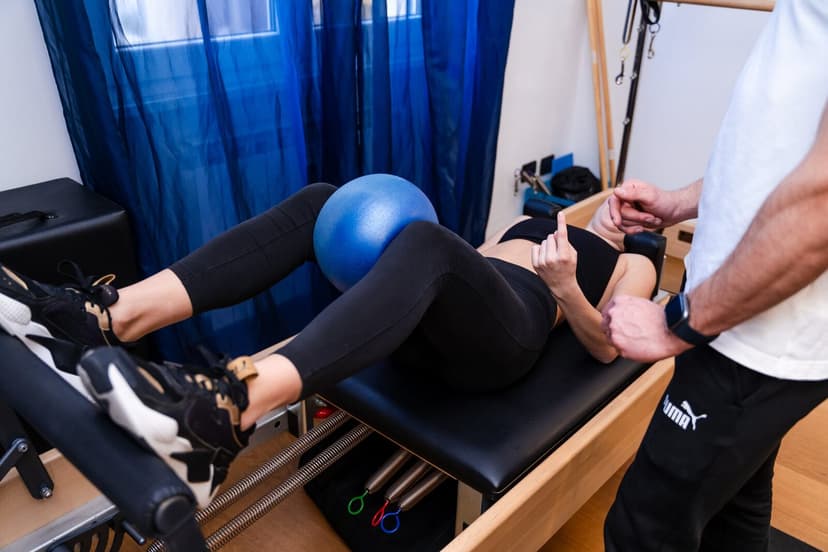
Bruxism, the habit of clenching or grinding the teeth, is a frequent cause of the neck and jaw problem. During the night, the stress built up during the day is discharged onto the chewing muscles, which work for hours causing tension and pain.
The chewing muscles are powerful: the masseter is proportionally one of the strongest muscles in the body. When it works excessively at night, the overload is transmitted to the neck. This is why people who suffer from bruxism often also have neck and jaw problems.
A night splint can help protect the teeth, but it does not always resolve the neck and jaw problem. It is also necessary to work on the muscle tension and on the cause of the stress that leads to clenching the teeth.
Exercises for Neck and Jaw
Targeted exercises are fundamental for resolving the neck and jaw problem. Here are the most effective movements to practise every day.
Jaw relaxation: Rest the tip of the tongue on the palate behind the upper front teeth. In this position, the teeth should not touch. Hold this position consciously during the day to reduce the tension of the neck and jaw problem.
Controlled mouth opening: With the tongue on the palate, slowly open the mouth only as far as possible while keeping the tongue in position. This movement limits the activation of the overactive muscles. Do 10 slow repetitions, 3 times a day.
Stretching of the sternocleidomastoid: This muscle connects the skull, jaw and collarbone. Turn the head to one side and tilt it slightly upwards. You will feel the stretch on the front of the neck. In the neck and jaw problem, hold for 30 seconds per side.
Self-Massage for Neck and Jaw
Self-massage can give immediate relief from the neck and jaw problem. The chewing and neck muscles respond well to manual release of tension.
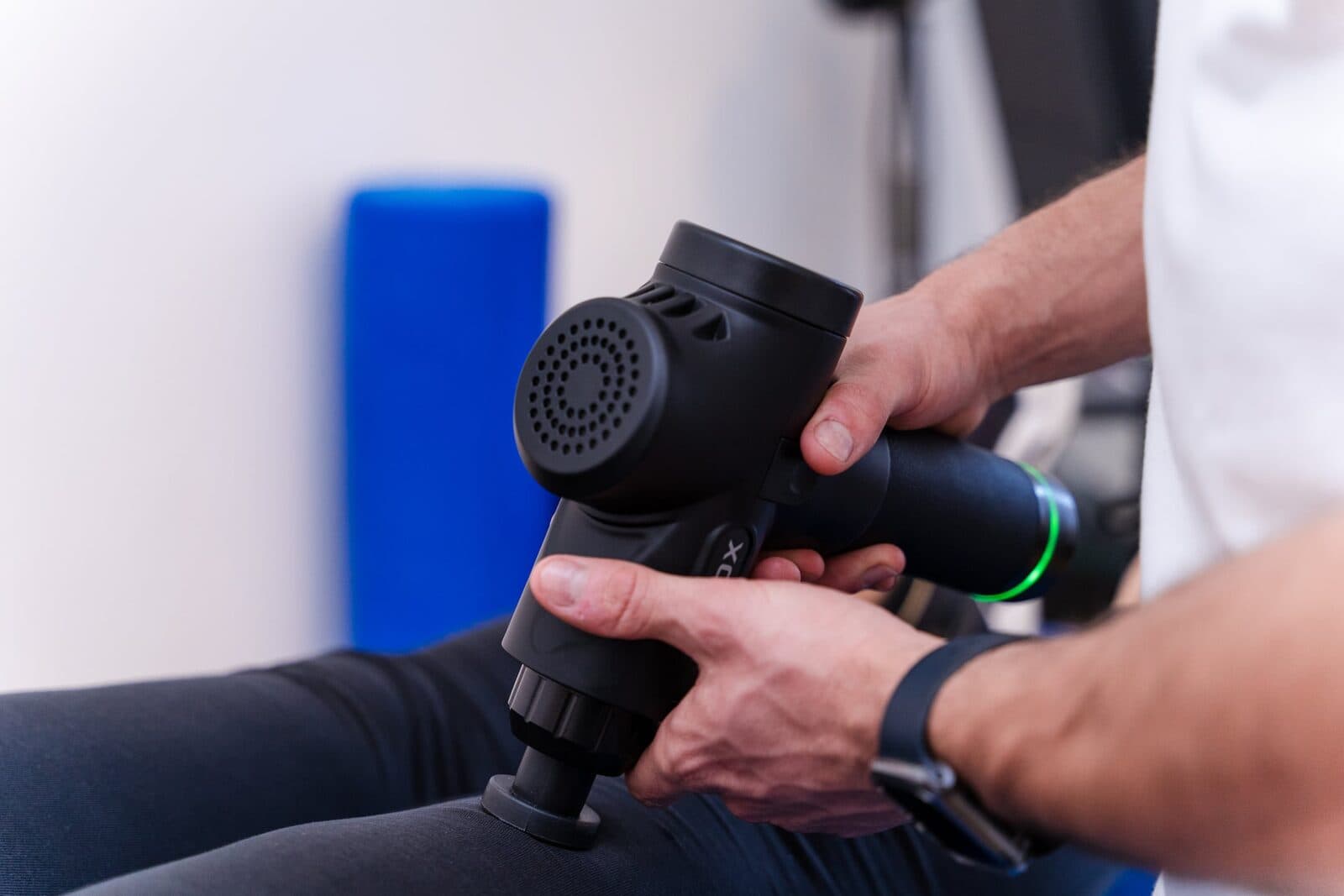
Massage of the masseter: Find this muscle by clenching your teeth and feeling your cheeks. Release your teeth and massage in small circles for 1-2 minutes. In the neck and jaw problem, this massage can give immediate relief.
Massage of the temporalis: The temporal muscles are at the temples. Massage this area in gentle circles, an area that is often tense in people who suffer from neck and jaw problems. Spend 1 minute per side.
Release of the suboccipital muscles: These muscles at the base of the skull influence both the neck and the jaw. Lying supine with two tennis balls under the back of the head, either side of the spine, can help release them. Stay for 3-5 minutes breathing deeply.
Posture and the Neck and Jaw Problem
Posture has a huge impact on the neck and jaw problem. A head projected forward (forward head posture) changes the biomechanics of both the neck and the jaw.
When the head is forward, the jaw tends to recede and the chewing muscles have to work harder. At the same time, the posterior neck muscles are under constant tension to support the head. The neck and jaw problem is often a postural problem.
Correcting posture is essential to resolve the neck and jaw problem for good. The chin tuck, performed regularly, helps bring the head back into a neutral position. Desk ergonomics and the correct use of the mobile phone are just as important.
Stress and the Neck and Jaw Problem
Stress is often the trigger for the neck and jaw problem. When we are stressed, we tend to clench our teeth, raise our shoulders and stiffen the neck. These unconscious tensions feed the vicious circle.
Managing stress is an integral part of treating the neck and jaw problem. Relaxation techniques such as diaphragmatic breathing, meditation and yoga can reduce muscle tension.
Become aware of your habits: during the day, check whether you are clenching your teeth or keeping your shoulders raised. This awareness is the first step to breaking the neck and jaw problem linked to stress.
Online Physiotherapy for Neck and Jaw
Telerehabilitation is effective for the neck and jaw problem. A physiotherapist can assess both neck mobility and the temporomandibular joint by video call, watching how you move your neck and mouth.
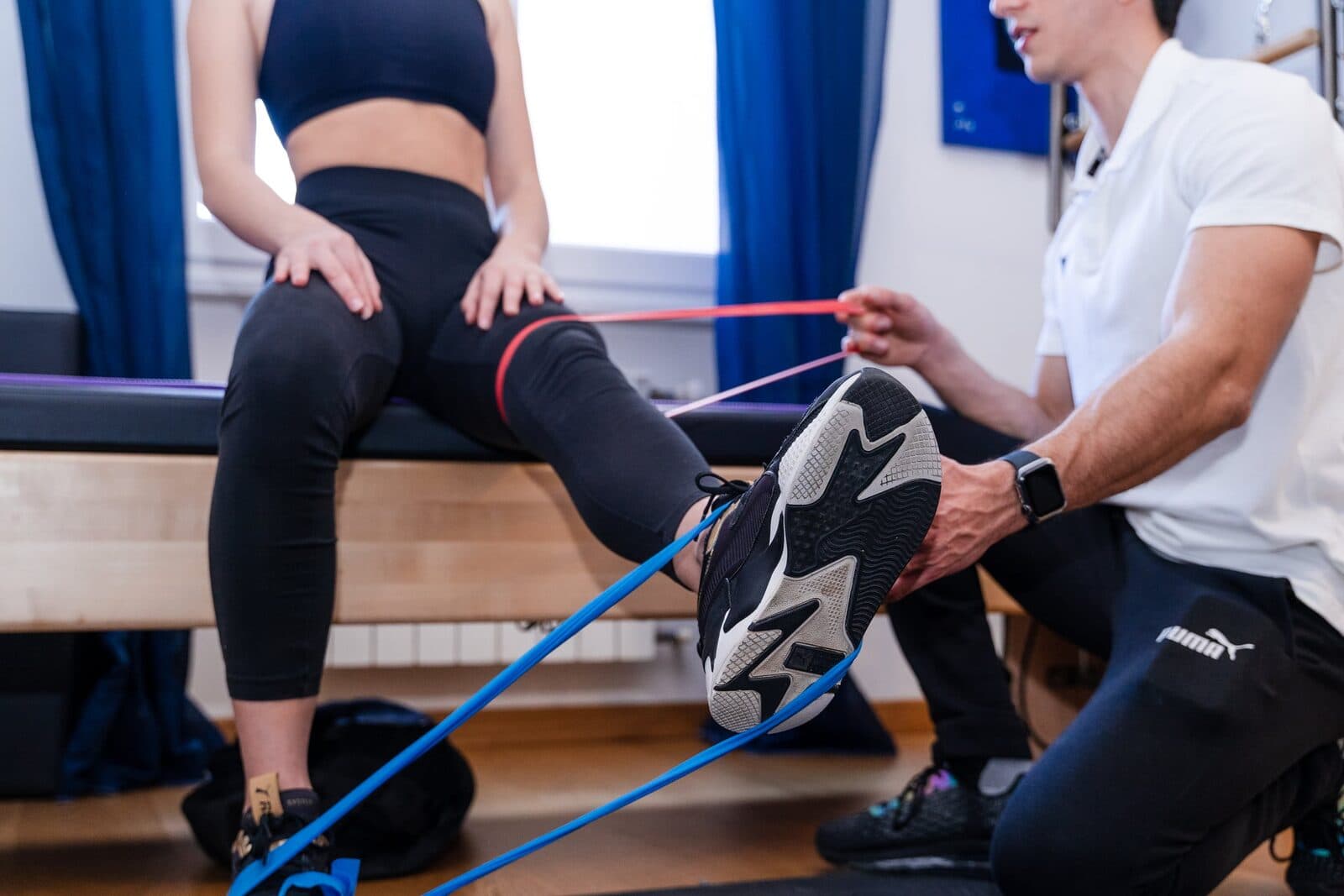
The physiotherapist will teach you the exercises specific to your neck and jaw case, monitor your progress and adapt the programme over time. The advantage of telerehabilitation is being able to be followed regularly without travelling.
Ri-Hub offers sessions at 29,90€ with physiotherapists experienced in treating the neck and jaw problem. It is an affordable investment for solving a problem that, if neglected, can significantly worsen your quality of life.
When to See a Specialist
The neck and jaw problem generally responds well to physiotherapy, but in some cases collaboration with other specialists is appropriate.
A dentist or gnathologist can be useful if there is a malocclusion problem or if a night splint is needed. The neck and jaw problem sometimes requires a multidisciplinary approach.
See a doctor if: you have significant difficulty opening your mouth, your jaw locks frequently, or the pain is very intense and does not respond to conservative treatment. These neck and jaw cases may require more specific interventions.
Conclusion
The neck and jaw problem is common and treatable. The anatomical and functional connection between these two areas means they often need to be treated together to achieve lasting results. Specific exercises, postural correction and stress management are the pillars of treatment.
Do not let the neck and jaw problem limit your daily life. The Ri-Hub telerehabilitation service offers you a guided pathway to resolve this disorder. A physiotherapist will assess your specific situation and create a personalised programme that addresses both the neck and the jaw. Book a session and start to feel better.
Sources
- Effectiveness of Manual Therapy and Therapeutic Exercise for Temporomandibular Disorders: Systematic Review and Meta-Analysis, Phys Ther, 2016
- Temporomandibular Joint Dysfunctions: A Systematic Review of Treatment Approaches, J Clin Med, 2023
Last source check: September 2026.
You might also be interested in:
Physiotherapist: What They Do, A Complete Guide to the Profession Lower Back Lock: What to Do Right Away and How to Prevent Relapses Desk Ergonomics: A Complete Guide to Working Without Pain
Stay in touch with us Join our dedicated Facebook group: we answer every patient, give practical advice and clear up the most common doubts.
Need a consultation?
Start with the questionnaire on Ri-Hub: a few questions about your case, you register, and you see who will follow you: a physiotherapist on the Italian professional register, whom you can write to in chat whenever you like. If you prefer to talk it through by voice, the first consultation is free, lasts twenty minutes and commits you to nothing: they arrive having already read what you wrote, and together you decide whether and how to go on.
If the jaw pain comes with a tired jaw on waking, the dedicated chapter is Bruxism: causes, consequences and what really works.